When Is Trucking the Best Option? A Comprehensive Guide for Importers and Exporters

by | Oct 26, 2025 | Blogs, Import and export | 0 comments

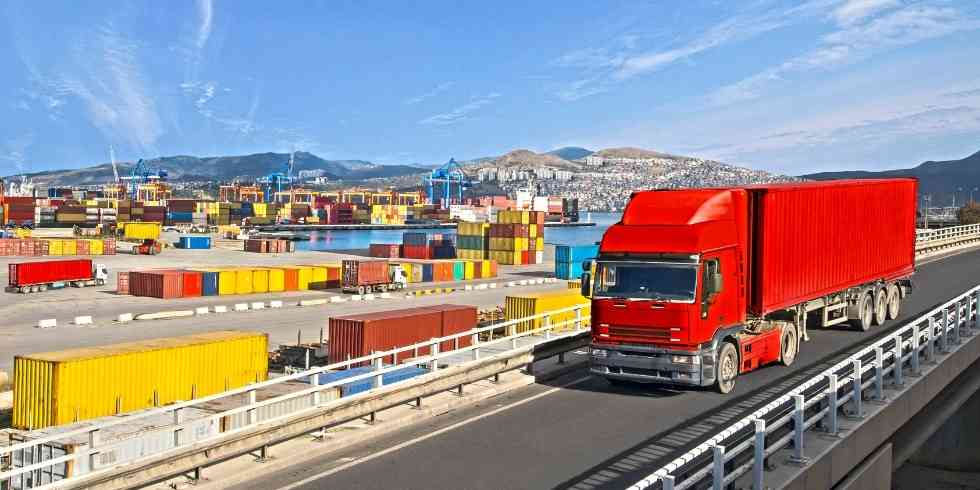
Land freight, also known as trucking, plays a crucial role in the transportation and logistics industry, as countless companies rely on it to move goods efficiently and reliably both within and across borders. Its importance continues to grow due to the flexibility it offers in route selection, its ability to reach remote locations, and its lower operating costs compared to some other modes of transport.

This article sheds light on the key advantages of land transportation, explores its different types, and provides insights on how to choose the best land freight company for your business needs.
when-is-trucking-the-best-option

Information About Land Freight

When discussing land freight, or trucking, it refers to all transportation methods that rely on road networks, whether through highways or railway lines. This includes the entire ground infrastructure that supports the movement of goods. Land freight is considered one of the oldest and most traditional methods of transportation ever used in trade and logistics.

While air freight is known for its exceptional speed and sea freight for its ability to carry massive volumes, land freight strikes a balance between time and cost, making it an economical and practical option for various distances and shipment sizes. Although it may not be the fastest among global transport modes, it remains one of the most efficient and cost-effective solutions for many industries.

Procedures Followed in Land Freight Shipping

Executing trucking and land freight operations requires a set of organized steps to ensure that goods arrive safely and on time without delays or complications. This type of transportation is not random — it follows a series of clear and structured stages that ensure success from pickup to final delivery, as follows:

  1.     Route Selection
    The route is chosen based on the type of shipment and its destination to minimize both time and transportation costs.
  2.     Accurate Scheduling
    Specific dates and times are set for loading and receiving the shipment, in coordination with the driver’s route and the company’s logistics plan.
  3.     Document Preparation
    All necessary paperwork is prepared, including the bill of lading, purchase invoices, and customs permits when required.
  4.     Tracking and Monitoring
    Real-time tracking systems are used to monitor the vehicle’s location, enhancing safety and providing reassurance to the client.
  5.     Coordination with Relevant Authorities
    Continuous communication is maintained with customs offices, storage units, or local authorities to ensure smooth and delay-free shipment processing.
  6.     On-Time Delivery
    The shipment is delivered punctually and in full accordance with the agreed-upon terms between the company and the consignee.

Advantages of Relying on Land Freight and When It’s the Best Option

Relying on trucking and land freight services provides companies with practical and efficient logistics solutions, especially when transporting goods within the same country or to neighboring nations. This method offers several distinct advantages, including:

  1.     Cost-Effective for Short and Medium Distances
    Land freight is among the most affordable transportation options, particularly for short and medium routes, making it ideal for domestic and regional deliveries.
  2.     Flexibility in Scheduling and Routing
    Shipping schedules and destinations can be adjusted quickly and easily when needed, without the complexities often associated with other transport modes.
  3.     Real-Time Tracking and Control
    Companies can track their trucking shipments step by step and intervene immediately if any issue arises, ensuring greater reliability and visibility throughout the journey.
  4.     Suitable for a Wide Range of Goods
    Land freight can be used to transport food products, heavy equipment, and even hazardous materials, provided that proper safety measures and regulations are followed.
  5.     Access to Remote and Hard-to-Reach Areas
    Unlike air or rail transport, land freight can reach villages, rural areas, and remote sites that are not covered by other transportation networks.
  6.     Extensive and Connected Road Networks
    Roads are generally more widespread and connected than railway networks, which makes trucking movement smoother and more direct.
  7.     Faster Processing and Minimal Waiting Times
    Land shipments do not require long waiting periods like those often encountered at seaports or airports, allowing for faster and more efficient deliveries.

Disadvantages of Land Freight

Although trucking and land freight are among the most commonly used modes of transportation, it has certain drawbacks that must be considered when selecting the most suitable shipping method. These limitations can affect efficiency under specific conditions, including:

    1.     Weather-Related Delays
      Land transportation is highly affected by weather conditions such as rain, storms, or fog, which can cause shipment delays or temporary halts.
    2.     Limited Efficiency Over Long Distances
      Land freight becomes less practical and cost-efficient for very long-distance shipments compared to sea or air freight.
    3.     Traffic Congestion
      Heavy  trcking traffic can lead to significant delivery delays, particularly in urban areas or during peak hours.
    4.     Rising Fuel and Maintenance Costs
      With fluctuating fuel prices and frequent vehicle maintenance requirements, operational costs can increase over time.
    5.     Higher Risk of Accidents
      The likelihood of accidents on roads is relatively higher than in other transport modes, posing potential risks to both cargo safety and driver security.
    6.     Varying Transport Regulations Across Borders
      Different transport laws and customs regulations between countries can lead to complications or delays when crossing international borders.
    7.     Poor Road Conditions in Some Areas
      In certain regions, weak or poorly maintained road infrastructure can hinder truck movement, affecting transit times and overall delivery reliability.

Different Types of Land Freight Transport

The choice of trucking vehicle type in land freight operations depends directly on the nature and size of the cargo. Each type of shipment requires a specific vehicle that ensures safety, ease of loading and unloading, and protection during transit. Accordingly, several types of trucks are used depending on shipment requirements, including:

  1.     Flatbed TRUCKING
    These trucks are used to transport large equipment or heavy machinery that cannot be placed inside enclosed trailers. Flatbeds often require specialized loading tools such as cranes or forklifts for handling oversized cargo.
  2.     Curtain-Sided TRUCKING
    These are enclosed trucks with flexible side curtains that can be easily opened. This design makes loading and unloading quicker and more efficient while still providing protection from weather conditions.
  3.     Refrigerated TRUCKING
    Equipped with temperature-control systems, these trucks are used to transport perishable goods such as food products, medicines, or pharmaceuticals that require continuous cooling or freezing throughout the journey.
  4.     Specialized Transport Vehicles
    These trucks are designed to carry sensitive or hazardous materials, featuring advanced safety and containment systems that comply with approved international safety standards to ensure secure transportation.

Advantages of Rail Freight Shipping

Rail transport complements trucking and land freight as part of an integrated logistics network and plays a significant role in efficiently moving goods over long distances. Although the use of trains for freight began in the 19th century, the sector has witnessed remarkable development and modernization over time. The main advantages of rail freight include:

  1.     High Capacity and Cost Efficiency
    Rail freight allows for the transportation of large quantities of goods in a single trip, reducing the number of journeys needed and significantly lowering overall shipping costs.
  2.     Reliable and Consistent Scheduling
    Trains operate on fixed schedules, making rail transport more reliable and predictable than road freight, especially over long distances.
  3.     Fuel Efficiency and Environmental Benefits
    Rail freight consumes less fuel than trucks, making it a more eco-friendly and cost-effective transportation option. Lower fuel consumption also contributes to reduced emissions and a smaller carbon footprint.
  4.     Reduced Road Congestion and Accidents
    Using trains for freight eases traffic pressure on highways and helps reduce the number of road accidents caused by heavy trucks.
  5.     Ideal for Transporting Raw Materials
    Rail transport is particularly suitable for moving raw materials such as metals, timber, coal, and minerals, which are often shipped in bulk.
  6.     Efficient Container Transport
    Rail freight is commonly used to move containers between ports and warehouses, offering fast, smooth, and cost-effective transfers as part of integrated logistics operations.

Why Choose International Shipping Company (ISC) for Land Freight Services

Choosing International Shipping Company for trucking and land freight services is a reliable decision that guarantees efficient, professional, and well-organized transportation operations. The company provides comprehensive logistics solutions tailored to meet the diverse needs of clients across different industries. Here’s why it stands out:

  1.     Proven Track Record
    The company has an extensive history of successfully handling both domestic and international land and sea freight operations, ensuring excellence at every stage.
  2.     Wide Range of Vehicles
    It offers various types of transport vehicles designed to accommodate every kind of cargo, regardless of size, weight, or sensitivity.
  3.     24/7 Customer Support
    A dedicated support team works around the clock, providing continuous assistance and precise shipment monitoring.
  4.     Real-Time Shipment Tracking
    Clients can track their shipments at any moment, ensuring full transparency and peace of mind throughout the shipping process.
  5.     On-Time Delivery
    The company is renowned for its accuracy and punctuality, consistently delivering shipments without delays.
  6.     Flexible Shipping Plans
    Customized shipping solutions are available to match each client’s specific requirements based on shipment volume, destination, and budget.
  7.     Customs Clearance Services
    The company provides comprehensive customs clearance support, ensuring smooth and hassle-free movement of goods across borders.
How is land freight carried out?

Land freight, or trucking, is conducted by transporting goods using trucks or trains through road and railway networks. The process begins with identifying the type of cargo and destination, followed by selecting the appropriate mode of transport. After that, the goods are loaded and dispatched according to a predefined schedule to ensure timely delivery.

What is meant by land transportation?

Land transportation is one of the main methods used to move goods and passengers over land, utilizing trucks and trains. It is commonly used for domestic transport within countries or between neighboring nations.

What are the best land freight companies?

Among the leading companies in this field is International Shipping Company, recognized as one of the top providers of land freight services. The company offers professional logistics solutions, transporting all types of goods with a wide variety of vehicles to meet different client needs.

How can someone become a freight agent?

To become a freight agent, one must follow several essential steps, starting with obtaining the necessary licenses from the relevant authorities and registering a certified business in the field of transport and logistics. It also requires a comprehensive understanding of shipping procedures and regulatory compliance.

In Conclusion

Despite its challenges, land freight remains a vital component of the global transportation and logistics system. For companies seeking flexible, reliable, and fully customized transport solutions, combining road and rail freight serves as a strategic approach that maximizes efficiency and ensures seamless delivery across multiple routes.