Understanding the sea import freight forwarding process helps importers plan...



Understanding the sea import freight forwarding process helps importers plan...
Container shipping is considered the ideal solution for transporting goods...
efficient maritime transport solutions without the burden of ownership...
With the growth of global trade, Marine Insurance has become the first line of...
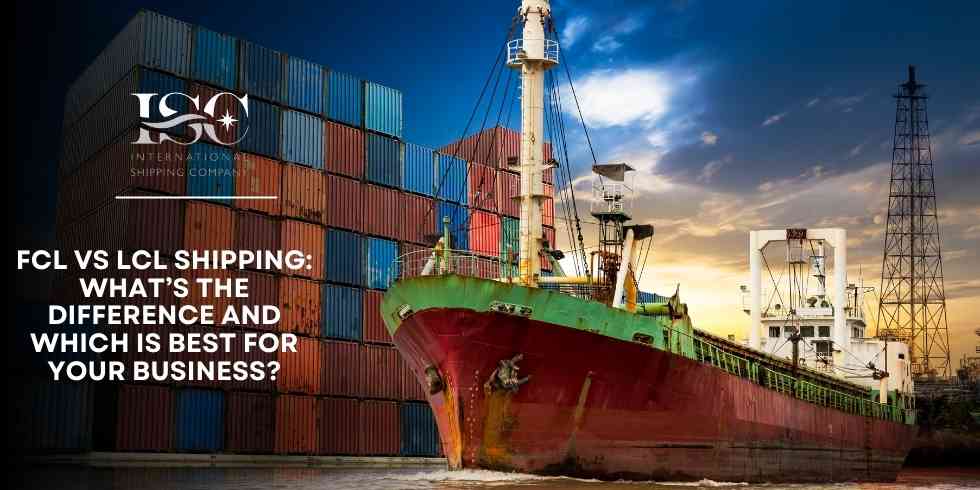
Understanding the difference between FCL vs LCL Shipping is a key step for any...
Custom Clearance in Egypt is a crucial step for any business owner importing...
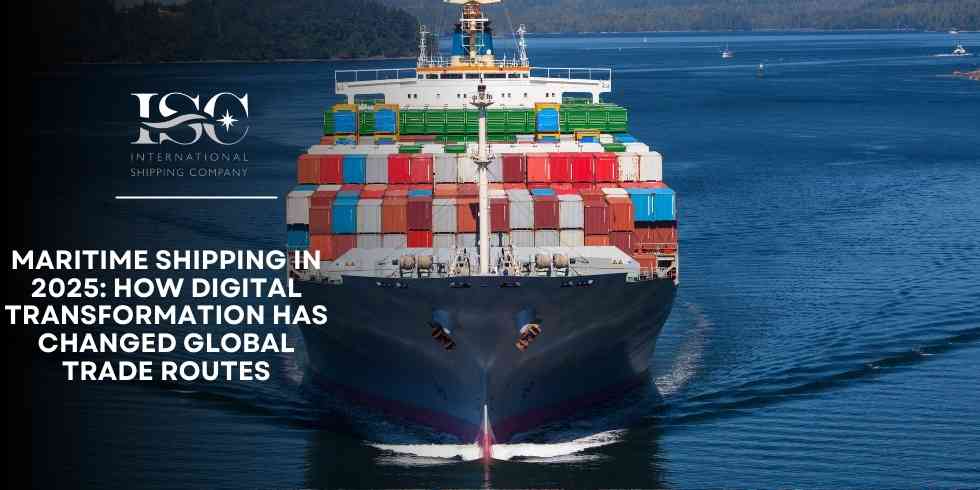
The world has witnessed a tremendous transformation in the ways goods are...
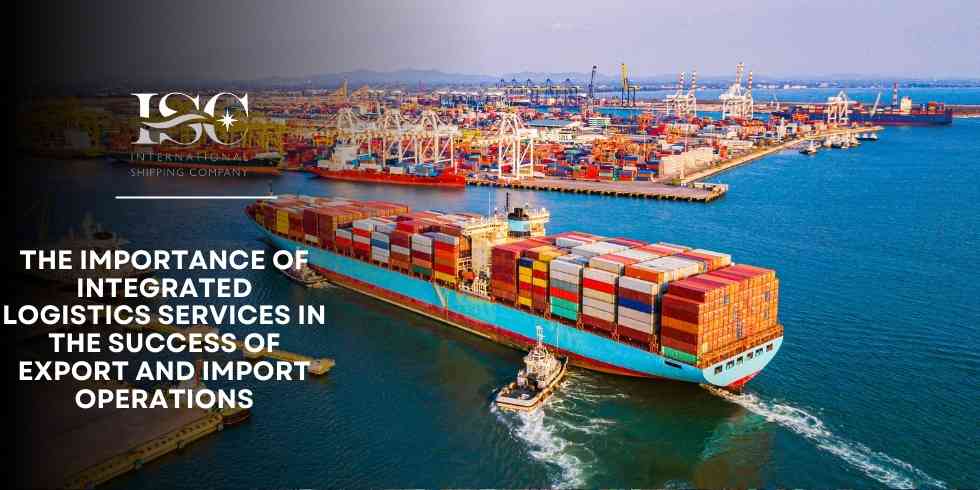
The efficient movement of goods between countries is essential for the...
If you are looking for the best international shipping companies that provide...
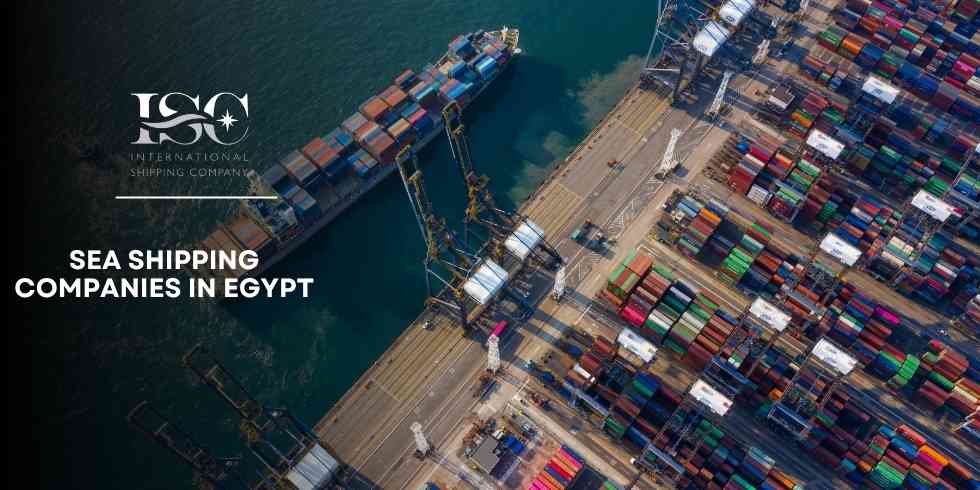
The number of shipping companies in Egypt has increased in recent years....
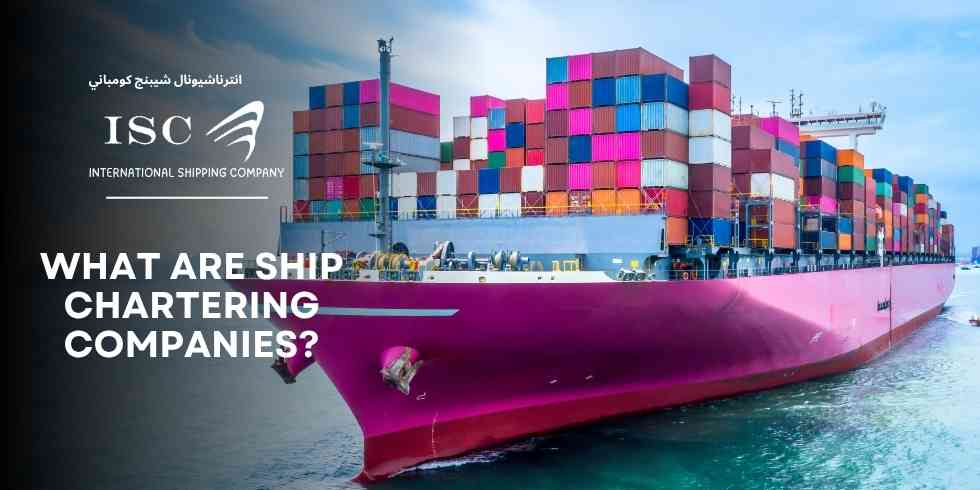
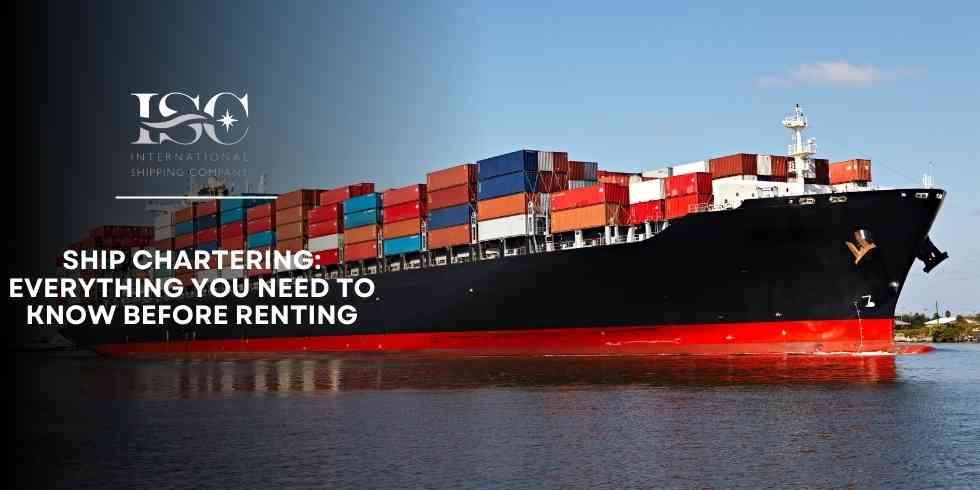
Ship chartering simply means that a party obtains a ship from its owner to use it to transport goods in exchange for an agreed-upon sum. Although the idea seems simple, its implementation requires a thorough knowledge of many details.
Ship chartering companies offer different types of leasing contracts, variable costs depending on the agreement, and several parties are involved in this process. In this article, we will learn how this type of leasing works.

International Shipping Company offers comprehensive solutions that ensure you find the right ship, whether you’re looking to charter, sell, buy, or manage ships. Our most important services are as follows:
We have strong relationships with ship owners and operators in various countries, helping us quickly and accurately find the vessel that best suits your requirements.
International Shipping Company is one of the leading Ship chartering companies that help you charter a vessel for the period you need, whether for a short period or a long-term project, depending on the type of activity
We provide full support for purchasing a new or used vessel, offering tailored advice based on your budget and operational needs.
If you wish to sell your vessel, we handle the marketing and negotiation process and help you find the right buyer at the best possible price.
We provide comprehensive ship management, including crew management, maintenance supervision, and professional daily operations supervision.
Ship chartering companies when considering ship chartering for freight transport, the costs don’t depend on the advertised price alone. Several influencing factors may increase or decrease the final cost, and these must be considered before making a decision. These factors are as follows:
Ship chartering companies provide ship chartering services based on a trained team, careful attention to details, and always strive to deliver true value to each client. Its most important features include:
Ship chartering companies provide a systematized ship leasing process that includes several parties, each with a specific role. The main focus of this process is the ship owner on one side and the charterer on the other. However, Ship chartering companies clarify that there are supporting parties that cannot be ignored, namely:
Ship chartering companies provide vessel chartering systems that do not follow a single pattern, but rather depend on the nature of the agreement and the extent of the owner’s involvement in the operation of the vessel. There are main types that are widely used by Ship chartering companies in the maritime transport market, each with different terms and specific costs, as follows
This type of charter contract involves hiring a ship and its crew for a single voyage, from the departure to the arrival port. The charterer pays a fee based on weight or a fixed amount, while the owner covers the vessel’s operating costs, such as crew wages and maintenance, the lessee bears the fuel and loading and unloading costs.
This contract specifies a specific time for loading and unloading. If the lessee exceeds this time, he will incur a late fee. If he completes the work early, he may receive a bonus from the owner.
Ship chartering companies provide this type differently from charter contracts because it does not give the charterer control over the vessel. Rather, it is simply an agreement to transport specific goods over a specified route for a specified period.
There are no demurrage or waiting fees, and more than one vessel may be used to fulfill the order as needed.
In this type of charter, the vessel is delivered to the lessee without a crew, who becomes fully responsible for its management and operation. The lessee bears all expenses, from insurance to crew salaries and maintenance. Ship chartering companies often provide this type of charter for long-term contracts, and in some cases, it may turn into a gradual purchase of the vessel.
This contract is used when a customer wishes to charter a vessel to transport a single cargo on a specific route. It is a combination of a time charter and a voyage charter, where the shared costs remain the same, but the contract term is tied to the completion of the voyage.
This type of charter allows the charterer to use the vessel for an agreed period, while maintaining the ship’s management under the owner’s supervision. The charterer determines the ports and routes and bears daily operating costs such as fuel, port fees, and unloading. The owner does not control the vessel’s route; his role is limited to the administrative and technical aspects.
Finally, International Shipping Company is one of the most important ship chartering companies that provides ship chartering services for various purposes, such as cargo transportation, commercial, or industrial use. Ship chartering companies’ services vary depending on the type of vessels available, the length of the charter, and the level of service provided. These services often include charter brokerage, operational management, legal support, and customer service throughout the contract period.