The Importance of Marine Insurance for Cargo Protection During Transit

by | Jan 16, 2026 | Blogs, sea freight | 0 comments

With the growth of global trade, Marine Insurance has become the first line of defense in protecting goods from unexpected transportation risks and ensuring their safe arrival at their final destination.

At International Shipping Company ISC, we rely on smart insurance solutions that not only protect shipments but also support business continuity and enhance confidence in the shipping system.
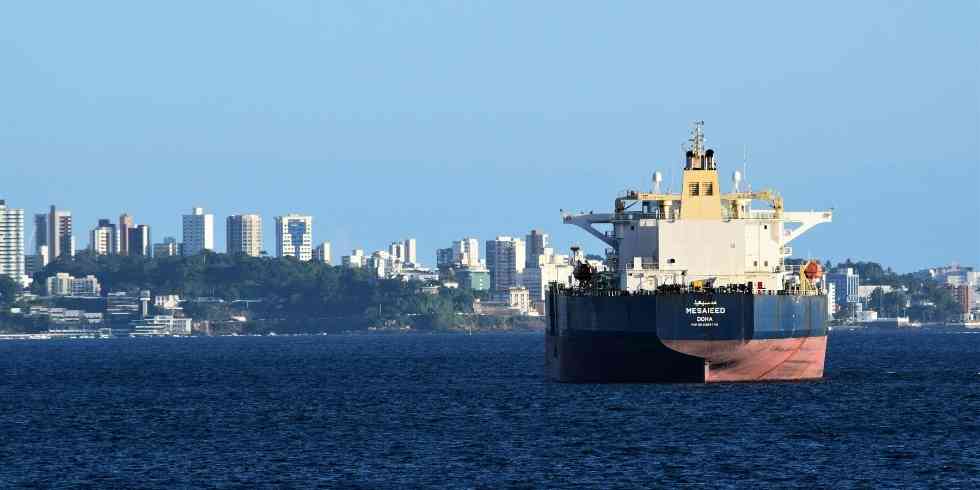
the-importance-of-marine-insurance

The Importance of Marine Insurance in International Shipping

As International Shipping Company relies on cross-border shipping solutions, it is important to understand the importance of insurance coverage and its role in supporting global trade as illustrated in the following points:

  • Protecting shipments from potential marine risks such as sinking, collision, fire, or severe weather conditions, thereby reducing unexpected financial losses through Marine Insurance.
  • Enhancing the confidence of importers and exporters in international shipping operations by providing insurance coverage that guarantees fair compensation in the event of damage.
  • Supporting business continuity for companies engaged in international trade by reducing the impact of unexpected incidents on cash flow through proper risk protection.
  • Enabling companies to plan their finances accurately, as Marine Insurance helps convert significant risks into manageable and predictable costs.
  • Facilitating dealings with banks and financial institutions that require certified insurance coverage before financing shipments.
  • Raising the level of professionalism in international shipment management, especially when dealing with complex, multi-destination supply chains.
  • Enhancing the commercial competitiveness of companies involved in marine shipping by offering additional guarantees to partners and customers.
  • Reducing potential legal disputes between shipping parties by clearly defining responsibilities and compensation mechanisms.
  • Protecting the reputation of companies in the international market by guaranteeing the arrival of goods or compensation for their value.
  • Supporting the growth and sustainability of global trade by providing a safer and more flexible environment for maritime transport operations.

Marine Insurance is a vital tool for ensuring the smooth flow of goods and services across borders.

It provides peace of mind for businesses and customers alike and is essential for the continued growth of the global economy.

Types of Marine Cargo Insurance

Marine Insurance comes in various forms, including policies and certificates tailored to meet the needs of businesses and provide flexible protection for goods during transport, enabling shippers and logistics companies to manage risk effectively.

The most prominent types of coverage used in marine shipping include:

  • Comprehensive Insurance Certificate (ICC A), also known as an “all risks” policy, providing the widest coverage for incidents such as fire, sinking, collision, theft, and natural disasters.
  • Limited Comprehensive Insurance Certificate (ICC B), covering a defined range of major risks and offering a balance between protection level and premium cost.
  • Basic Insurance Policy (ICC C), which provides the lowest level of coverage and focuses on serious basic risks, often used for lower-value goods.
  • Single Voyage Insurance Policy, purchased to cover one specific shipment during a single voyage, suitable for irregular or one-time shipments.
  • Annual Open Cover Insurance, which provides automatic protection for all shipments within an agreed period without issuing separate policies for each shipment.
  • Valued Insurance Policy, where the shipment value is agreed upon before transport, ensuring fixed compensation without the need for post-incident valuation.

Each type offers a different level of protection, making the selection process a critical part of risk management in international trade.

Factors Affecting the Cost of Marine Insurance

The cost of Marine Insurance is influenced by several factors that determine the level of risk assumed during sea transport.

Key factors include:

  • The declared value of goods, as higher shipment values increase potential compensation and premium levels.
  • The type and nature of the goods, with sensitive or perishable cargo generally attracting higher premiums.
  • Packaging quality and loading methods, as proper packaging reduces the likelihood of damage and claims.
  • The shipping route and associated risks, including piracy-prone or storm-heavy regions.
  • The duration and distance of the journey, which increase exposure to potential risks.
  • The historical claims record of the shipper or carrier.
  • The level of coverage selected, as comprehensive policies carry higher premiums than limited options.
  • Vessel characteristics and safety standards, where well-maintained ships with modern equipment may reduce costs.
  • Geopolitical and environmental conditions affecting the shipping region.
  • Policy terms and additional clauses that expand or customize coverage.
Can Marine Insurance be purchased after the shipment has begun?

Some insurance providers allow coverage to be issued after departure, subject to inspection and confirmation that no damage has occurred.

Does Marine Insurance cover losses resulting from improper packaging?

Losses caused by improper packaging are not covered unless packaging meets approved professional standards.

What is the list of documents needed for insurance claim processing?

A commercial invoice, bill of lading, inspection report, and a letter of protest are typically required to initiate a claim.

Conclusion

Marine Insurance is the ideal shield for protecting goods and ensuring their safe arrival in international trade.

Relying on International Shipping Company adds an extra layer of professionalism by providing smart insurance solutions that support business continuity and strengthen customer confidence in every shipment.