Understanding the sea import freight forwarding process helps importers plan...



Understanding the sea import freight forwarding process helps importers plan...
Container shipping is considered the ideal solution for transporting goods...
efficient maritime transport solutions without the burden of ownership...

With the growth of global trade, Marine Insurance has become the first line of...
Understanding the difference between FCL vs LCL Shipping is a key step for any...

Custom Clearance in Egypt is a crucial step for any business owner importing...
The world has witnessed a tremendous transformation in the ways goods are...
If you are looking for the best international shipping companies that provide...
The number of shipping companies in Egypt has increased in recent years....
With the boom in e-commerce and increased global consumption, as well as in...
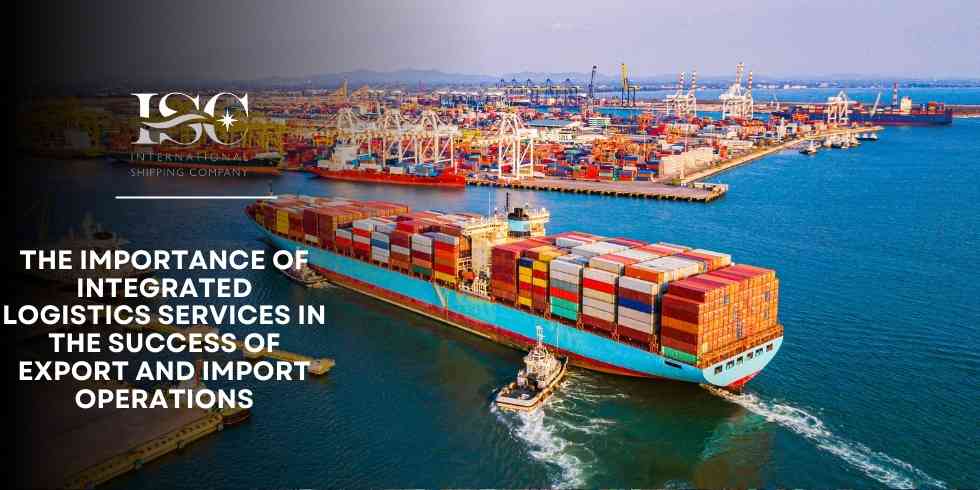
The efficient movement of goods between countries is essential for the prosperity of international trade. This is where integrated logistics companies come in, organizing transportation, storage, distribution and customs clearance with a high degree of efficiency. The more coordinated and streamlined the export and import system is, the more companies will be able to reduce costs, improve service quality and strengthen their presence in global markets with confidence and sustainability.
Today, many countries rely heavily on international trade logistics to ensure that supply chains operate efficiently and support global competitiveness in export and import markets.
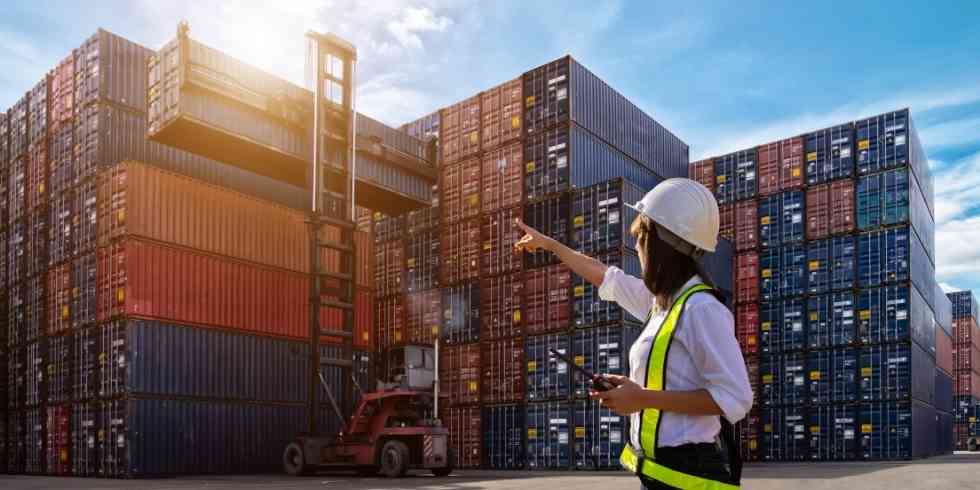
Transportation services are the backbone of export and import activities, linking the stages of shipping, storage and distribution to ensure the efficient flow of goods from supplier to consumer whether within the country or across borders.
Their importance is particularly evident in import and export operations as they are a decisive factor in reducing costs, speeding up product delivery and enhancing competitiveness in international markets.
These elements are essential to modern international trade logistics and play a major role in supporting export and import development worldwide.
These are the most prominent aspects that make up the concept of logistics and transportation:
Logistics services play a pivotal role in strengthening the national economy and supporting the prosperity of exports and imports as they are the hidden engine linking the production, distribution and consumption sectors.
The importance of the logistics system is evident in increasing the efficiency of supply chains, attracting investment and achieving economic integration between different sectors.
International Shipping Company is a leading provider of logistics solutions that contribute to the development of the economic infrastructure by improving transportation, shipping and resource management processes efficiently, all of which are major components of international trade logistics.
The following are the most notable effects of logistics services on the national economy:
Modern technologies have revolutionized the world of logistics, directly contributing to increased efficiency in export and import operations and improved supply chain management globally.
Shipping operations are no longer limited to transportation and storage but have become a smart system that relies on analysis and real-time tracking to ensure the highest levels of accuracy and speed. Technology now forms one of the strongest pillars of international trade logistics.
These are the most important ways technology affects the development of logistics services:
Despite significant developments in global logistics systems, export and import operations still face several obstacles that affect the speed and efficiency of goods movement.
The difficulty lies in striking a balance between international market requirements, operating costs and service quality especially given the complexity of logistics and transportation management and the multitude of parties involved in each stage of shipping.
These challenges highlight the importance of stronger international trade logistics solutions that ensure stable export and import processes.
The following are the most prominent challenges facing this vital sector:
International Shipping Company has been able to overcome these obstacles, making it a leader in the field of maritime shipping and a strong example of effective international trade logistics capability that supports successful export and import operations.
The development of transportation and distribution processes is one of the keys to improving the efficiency of export and import operations, as the success of supply chains depends on the application of innovative strategies in logistics management that balance quality, speed and cost.
With rapid changes in the international trade environment, it has become necessary to adopt practical solutions that enhance the competitiveness of companies and support the sustainability of the global transport and shipping sector.
This approach aligns with global standards of international trade logistics.
Logistics focuses on transportation, storage and distribution while supply chains encompass all stages of product production and delivery from the supplier to the end customer.
Artificial intelligence helps predict demand, optimize transportation routes and reduce operational errors through big data analysis, enhancing the effectiveness of international trade logistics.
Yes, as these services allow small companies to access new markets without the need for significant investments in infrastructure.
Customs clearance ensures that goods pass quickly through ports and reduces the likelihood of delays or fines in import and export shipments.
The company uses smart tracking systems and modern digital technologies that support the precision required in international trade logistics.
The cost is determined based on the type of goods, the means of transport used, the shipping distance, customs duties and the level of speed and accuracy required for delivery.
Logistics services are the cornerstone of successful international trade and thriving import and export operations, combining transportation efficiency, supply chain management precision and speed of execution to achieve the highest levels of quality and competitiveness.
With the acceleration of digital transformation, developing logistics management has become imperative to keep pace with global market requirements.