Understanding the sea import freight forwarding process helps importers plan...



Understanding the sea import freight forwarding process helps importers plan...
Container shipping is considered the ideal solution for transporting goods...
efficient maritime transport solutions without the burden of ownership...

With the growth of global trade, Marine Insurance has become the first line of...
Understanding the difference between FCL vs LCL Shipping is a key step for any...

Custom Clearance in Egypt is a crucial step for any business owner importing...
The world has witnessed a tremendous transformation in the ways goods are...
The efficient movement of goods between countries is essential for the...
If you are looking for the best international shipping companies that provide...
The number of shipping companies in Egypt has increased in recent years....
Import and Export Services are among the main foundations of global trade, as they enable individuals and companies to exchange goods and products between countries in an organized and legal manner. These Services include all the procedures and operations related to transporting goods from one country to another, starting from negotiations with suppliers or buyers, passing through shipping arrangements and customs clearance, and ending with the delivery of shipments to their final destination.
In addition, Import and Export Service aim to meet market demands, diversify products, and enhance international trade movement by facilitating the flow of goods between local and global markets. Through these Import and Export Services, countries and businesses can achieve growth, increase competitiveness, and ensure the continuous availability of products that meet the needs of consumers around the world.
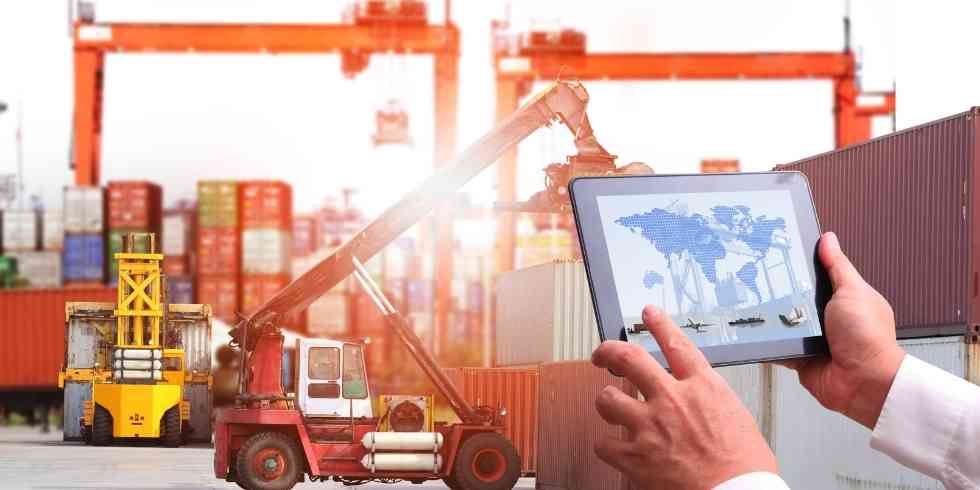
Import and Export Service include all the operations carried out by companies with the aim of transferring goods or providing services between local and international markets. These Services are an essential part of global trade and play a major role in connecting producers, suppliers, and consumers around the world.
Import and Export Service are among the most important tools that support the economy, as each of them serves a different goal despite their strong interconnection. Below is a detailed explanation of the difference between import and export:
Although Import and Export solutions open vast opportunities for business growth and international expansion, they are not without challenges. Companies engaging in Import and Export Services may face several difficulties that can affect efficiency and profitability, such as:
There are many companies operating in the field of Import & Export Services, but some names stand out due to their extensive experience and specialized expertise in international trade. Below are a few prominent examples of Import and Export companies:
International Shipping Company is one of the leading entities providing comprehensive solutions in shipping and logistics. The company operates widely in the field of international commerce solutions, offering organized and reliable trade operations. Its professionalism and efficiency make it a trusted choice for businesses seeking smooth, safe, and well-coordinated international trade operations.
Seidler Company is one of the oldest companies in the Egyptian market, founded in 1978. It has excelled in Import and Export Services, particularly in the import and export of industrial equipment, with a strong focus on air compressor machinery and related technologies.
Bishorina Import and Export Company is a well-known name in the market, specializing in the import and export of food products, including canned goods, meats, vegetables, and fruits, whether fresh or frozen. The company also contributes to exporting animal feed, providing a
Oversea Trading Services play a vital role in supporting a country’s economy and stimulating market activity both locally and internationally. The importance of these Import and Export Services lies in their ability to create balance between production and consumption, while also opening new horizons for commercial growth and international expansion.
Through efficient International Commerce Solutions, countries can strengthen their trade relations, diversify their markets, and ensure a continuous flow of goods that meet both local and global demand. These services also contribute to enhancing economic stability, attracting foreign investment, and promoting sustainable development by facilitating the exchange of resources, technologies, and products across borders.
In essence, Import and Export Services are not only a key driver of economic growth but also a bridge that connects nations through trade, cooperation, and shared prosperity.
Import and Export Services play a crucial role in enhancing economic growth, and exporting, in particular, provides numerous advantages for both companies and the national economy. The key benefits of exporting include:
Importing is an essential component of Import and Export Services, as it allows countries and businesses to access products and resources that may not be available locally. The major advantages of importing include:
Import and Export Services require a set of official and regulatory procedures to ensure that all commercial operations are carried out legally, efficiently, and safely. Although the exact steps may vary depending on the type of product and the countries involved, all Import & Export Services follow certain fundamental and standardized principles. The main Import and Export Procedures are as follows:
To achieve effective results in the field of Import and Export Services, companies must adopt smart steps and flexible strategies that help them expand and build confidence when dealing in international markets. Below are several key tips to enhance success in Import and Export Services:
International Shipping Company is an indispensable partner for businesses operating in Import and Export Services, as it provides a strong infrastructure that effectively helps reduce costs, speed up operations, and ensure full compliance with international regulations. The key advantages of choosing International Shipping Company in the field of Import and Export Services include:
The company specializes in managing transportation and shipping operations across multiple sectors. Its Import and Export Services cover storage, packaging, and customs clearance — helping clients save time and minimize total operational costs.
International Shipping Company adheres to global customs protocols and international trade laws, which significantly reduces shipment delays, customs issues, or potential losses.
The company provides end-to-end Import and Export Services, including air, land, and sea freight, as well as storage, packaging, and insurance solutions, ensuring a smoother and more efficient trade process from start to finish.
Import and Export Service refer to the process of exchanging goods and services between countries. Importing means bringing goods or services from abroad into the country, while Exporting means selling locally produced products to foreign markets with the aim of achieving business expansion and global reach.
The primary function of Import and Export Service is to organize and regulate the flow of trade between countries. These services ensure the availability of products that are not produced locally and help increase national income through the export of surplus goods and services to international markets.
To perform Import and Export Services efficiently, several key documents are needed, including:
The fundamentals of successful Import and Export Services include:
Despite its challenges, land freight remains a vital component of the global transportation and logistics system. For companies seeking flexible, reliable, and fully customized transport solutions, combining road and rail freight serves as a strategic approach that maximizes efficiency and ensures seamless delivery across multiple routes.