Container shipping is considered the ideal solution for transporting goods...
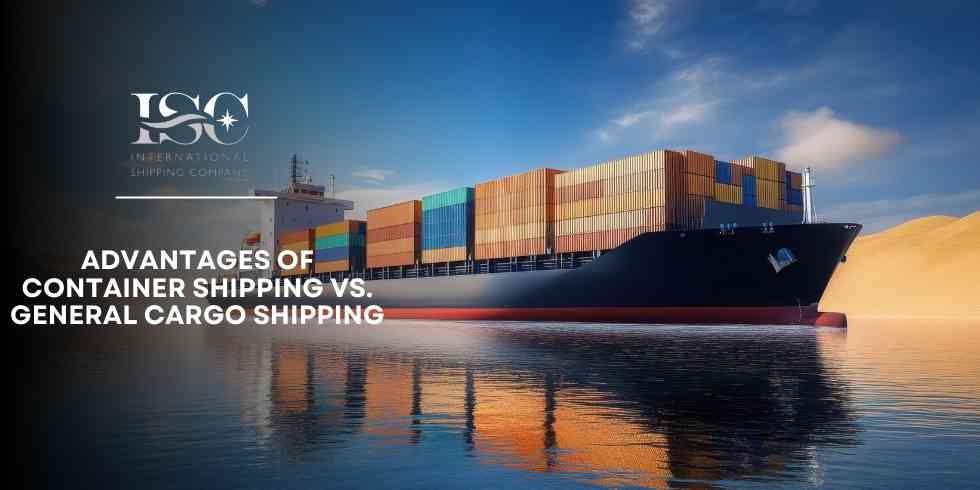



Container shipping is considered the ideal solution for transporting goods...
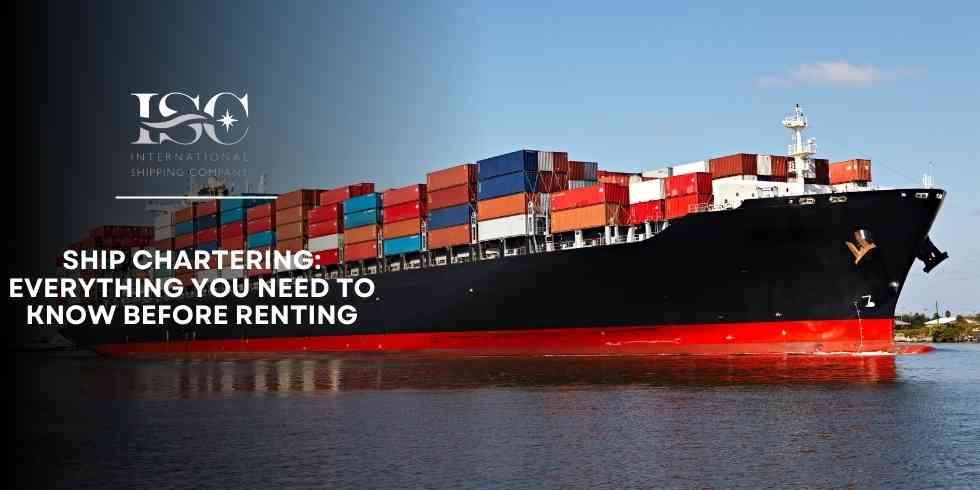
efficient maritime transport solutions without the burden of ownership...

With the growth of global trade, Marine Insurance has become the first line of...
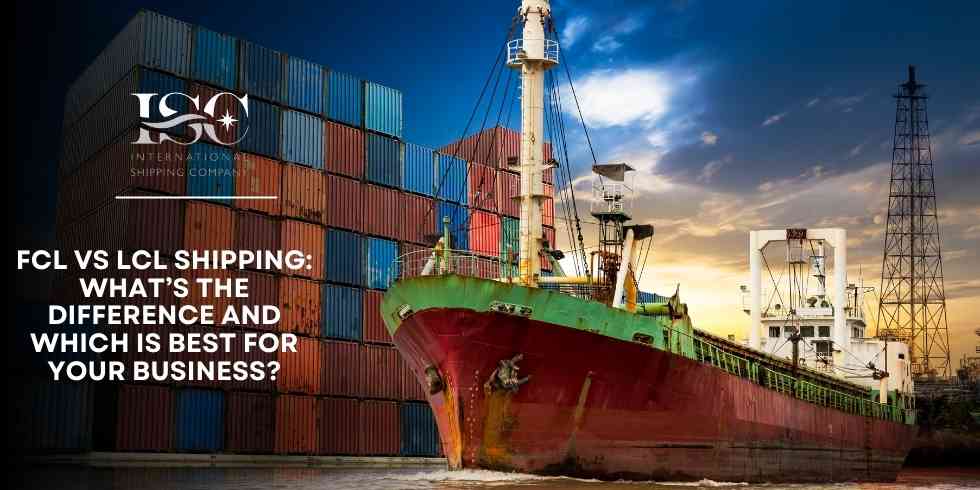
Understanding the difference between FCL vs LCL Shipping is a key step for any...

Custom Clearance in Egypt is a crucial step for any business owner importing...
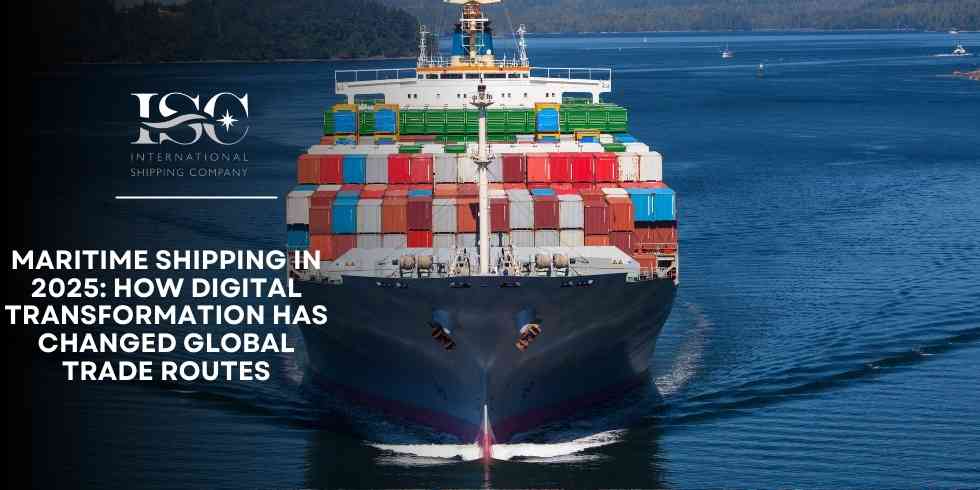
The world has witnessed a tremendous transformation in the ways goods are...
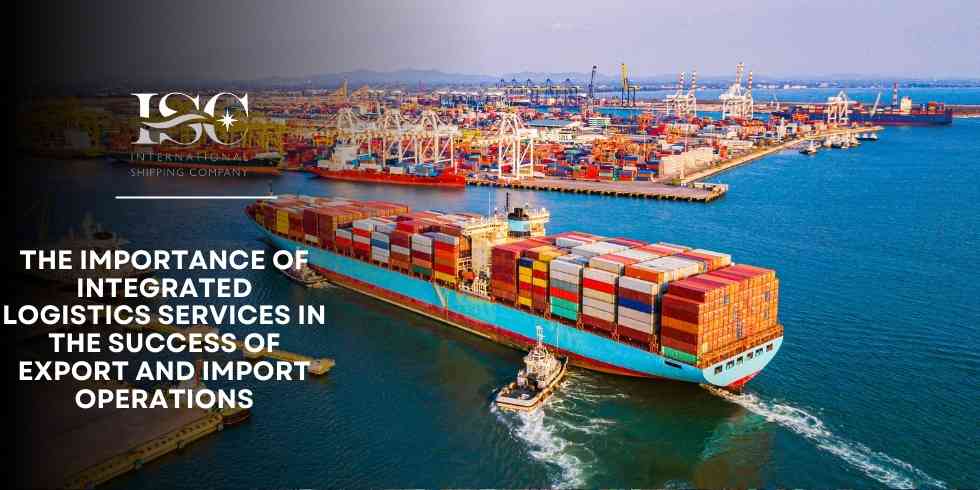
The efficient movement of goods between countries is essential for the...
If you are looking for the best international shipping companies that provide...
The number of shipping companies in Egypt has increased in recent years....
With the boom in e-commerce and increased global consumption, as well as in...
Understanding the sea import freight forwarding process helps importers plan shipments accurately and avoid unexpected delays.
With the expansion of international trade, shipping by sea has become the smartest option for accessing global markets at a lower cost and with a higher capacity to ship large quantities safely and efficiently.
Many businesses rely on a clear sea import process flow chart to visualize each step from booking to final delivery.
Direct sea freight gives importers greater flexibility in managing supply chains and achieving significant operational savings, especially when relying on the expertise of International Shipping Company to coordinate Sea Import operations and ensure that shipments arrive smoothly and on time.
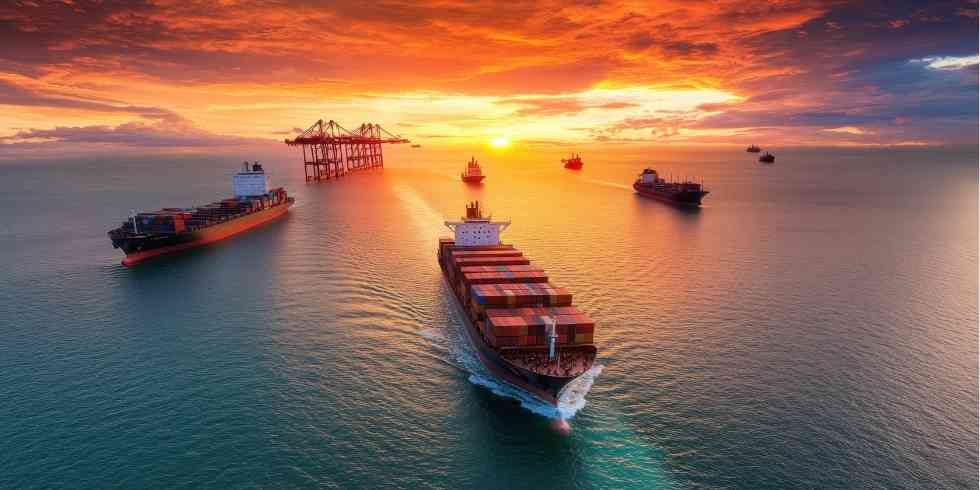
Sea Import is one of the main pillars of global trade, enabling the efficient flow of goods between countries and strengthening the interconnection of international markets within an integrated logistics system led by each shipping company with professionalism and meticulous organization.
Accurate knowledge of sea freight rates per kg allows companies to compare costs and select the most suitable shipping solutions.
Based on this vital role, the importance of maritime importing is evident in the following points:
International Shipping Company plays a pivotal role in enhancing the efficiency of direct maritime imports by providing integrated Sea Import solutions for the highly efficient transport of goods between countries.
The company also offers advanced sea freight tracking tools that allow importers to monitor shipments at every stage of the journey.
It contributes to simplifying logistics and customs clearance procedures and ensures compliance with international standards, making the process safer and smoother.
With its experience as one of the world’s largest shipping companies, importers can rely on innovative and flexible Sea Import solutions that suit their various needs.
The following are the main ways in which the company facilitates direct shipping:
Maritime imports are an economical option for transporting goods across continents, but total costs are affected by several factors that must be taken into account when planning shipments.
Many importers refer to an ocean freight rates chart to analyze pricing trends and estimate total shipping expenses.
The best sea freight companies play a major role in determining pricing by offering flexible solutions, container tracking capabilities and improved operations management, which helps importers reduce unnecessary costs.
The following are the most important factors affecting the cost of sea freight:
Sea shipping is an essential means of accessing global markets, and achieving a successful Sea Import experience requires careful planning, choosing the right strategies for managing shipments, and following practical guidelines.
Here are the most important practical tips with illustrative examples:
Example: Importing electronics from a globally recognized supplier reduces the likelihood of delays or damaged products.
Example: Check local laws in the importing country to avoid delays or fines.
Example: Use refrigerated containers for food or sensitive goods to avoid damage during long sea voyages.
Example: Schedule shipments during times of low congestion to reduce costs and time spent.
Example: Document every step of the process, from order to delivery, to resolve any potential disputes.
Example: Choose policies that cover damage caused by storms or accidental incidents.
Example: Use modern software that allows real-time tracking of containers and accurate location updates.
Example: Use shared containers for small shipments to reduce expenses without sacrificing safety.
Example: Rely on a forwarder with experience in specific ports to avoid delays and understand regulations easily.
Example: Check previous customer reviews to ensure reliability and professionalism.
The arrival time varies depending on the distance and port, but it usually ranges between 15 and 45 days for international shipments.
Yes, some companies offer the option of redirecting containers during the voyage but this may incur additional fees.
A full container is dedicated to a single shipment, while a shared container is divided among several importers to reduce costs.
Sea freight is preferable for large or heavy goods, while sensitive or urgent goods may be better suited to air freight.
Sea freight is the ideal choice for companies and importers who want to reach global markets efficiently and safely through professional Sea Import services.
With International Shipping Company, you can enjoy a smooth and reliable experience that will help boost your business growth and strengthen your products’ presence in international markets.