Understanding the sea import freight forwarding process helps importers plan...
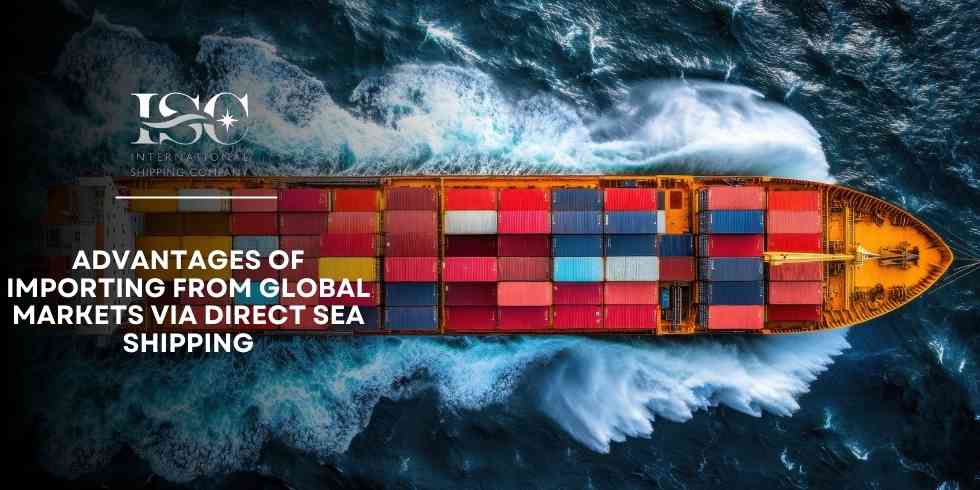



Understanding the sea import freight forwarding process helps importers plan...
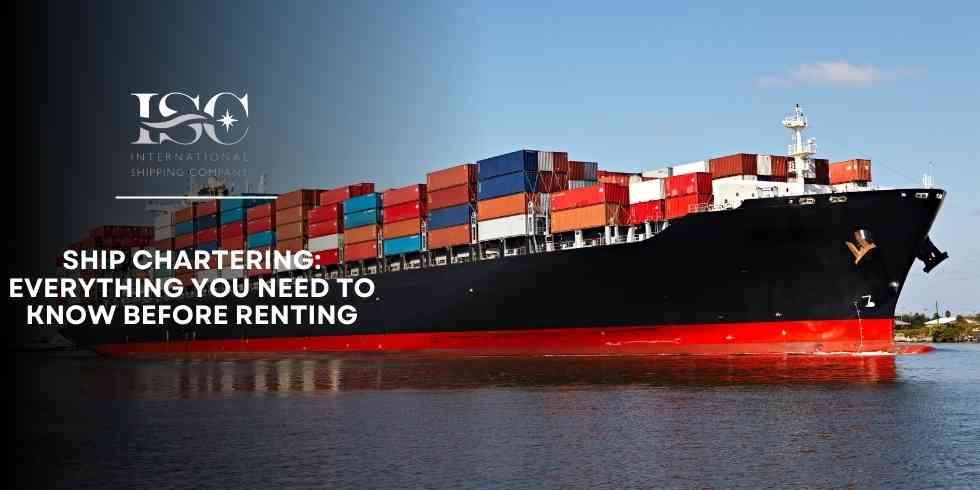
efficient maritime transport solutions without the burden of ownership...

With the growth of global trade, Marine Insurance has become the first line of...
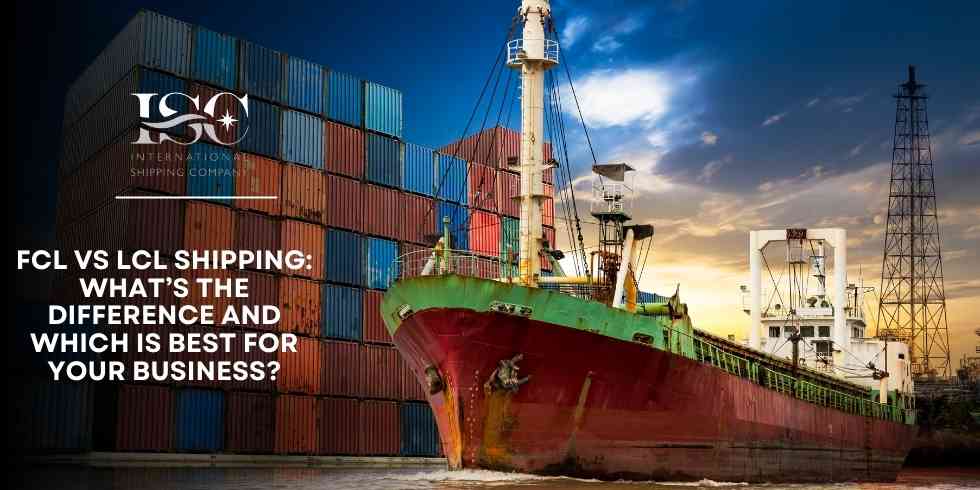
Understanding the difference between FCL vs LCL Shipping is a key step for any...

Custom Clearance in Egypt is a crucial step for any business owner importing...
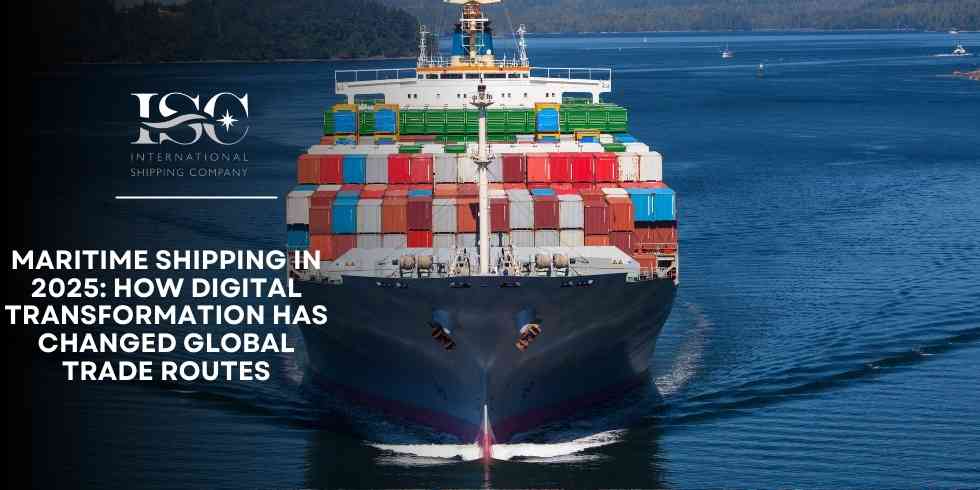
The world has witnessed a tremendous transformation in the ways goods are...
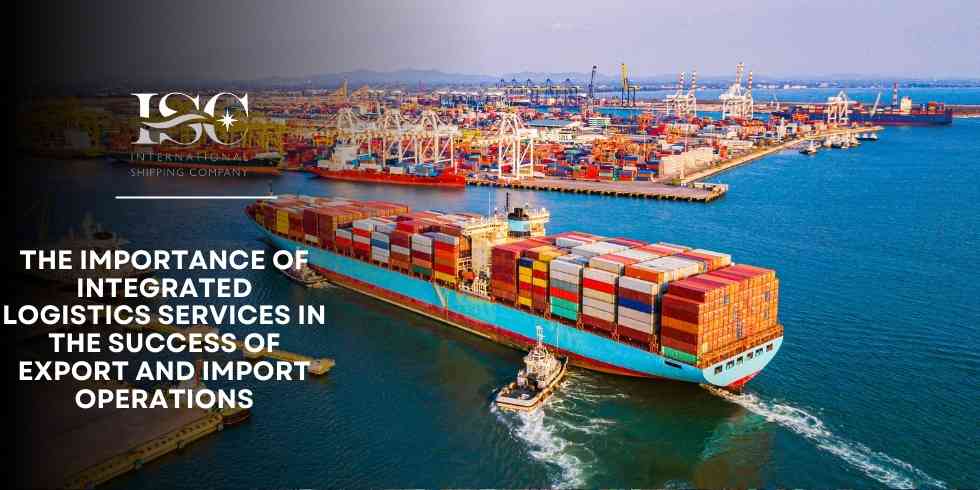
The efficient movement of goods between countries is essential for the...
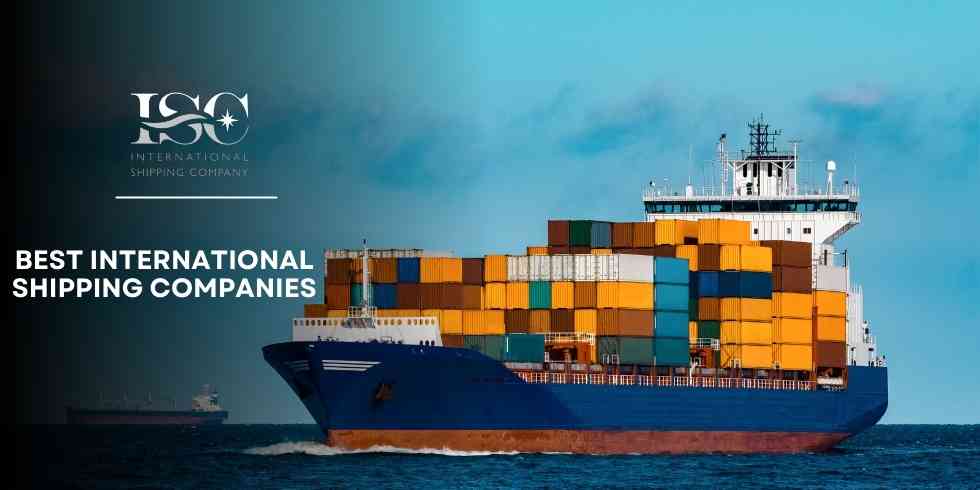
If you are looking for the best international shipping companies that provide...
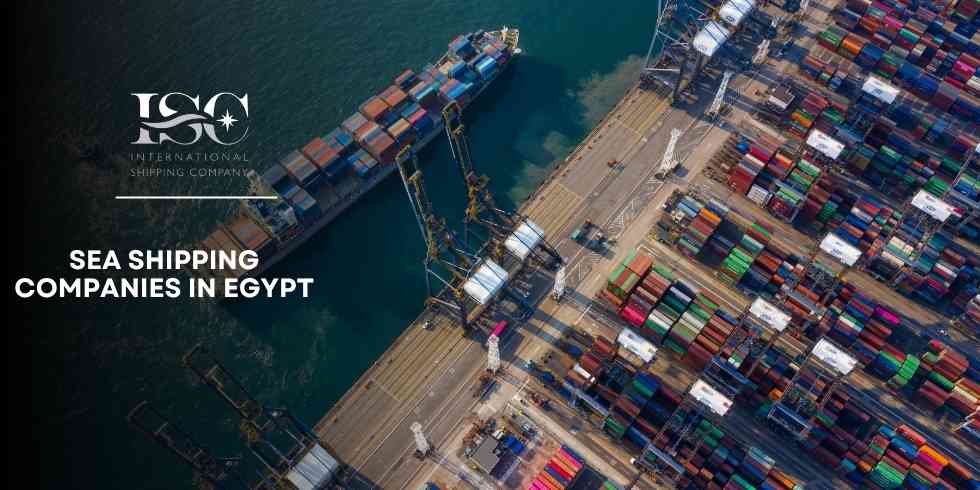
The number of shipping companies in Egypt has increased in recent years....
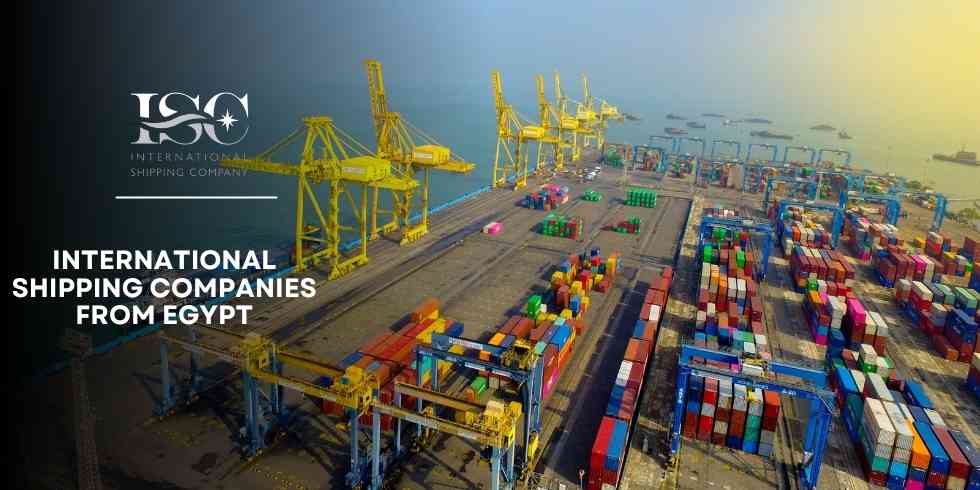
With the boom in e-commerce and increased global consumption, as well as in...
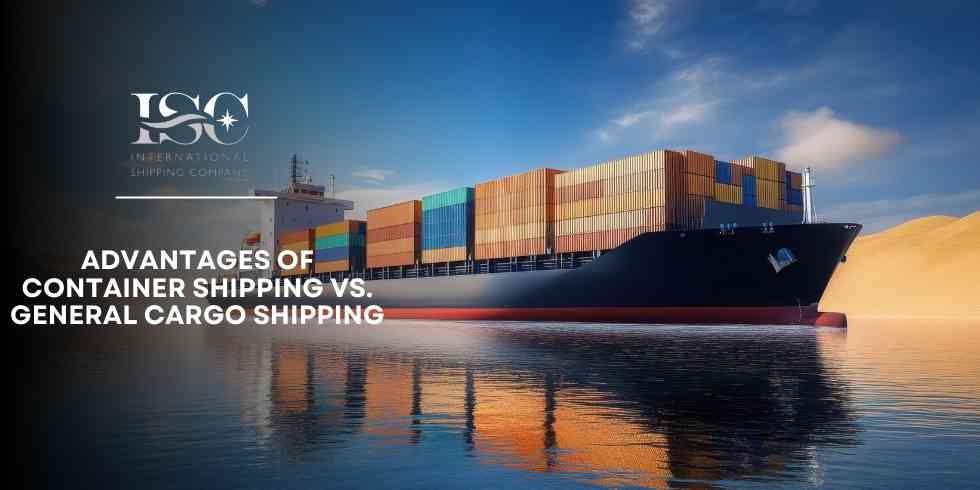
Container shipping is considered the ideal solution for transporting goods efficiently and safely, unlike general cargo shipping, which may lack protection and organization. With the growing need for reliable and fast solutions, International Shipping Company ISC, as one of the leading independent shipping companies in the Middle East, offers integrated shipping services that ensure the safety of goods, ease of customs clearance, and reduction of risks and delays.
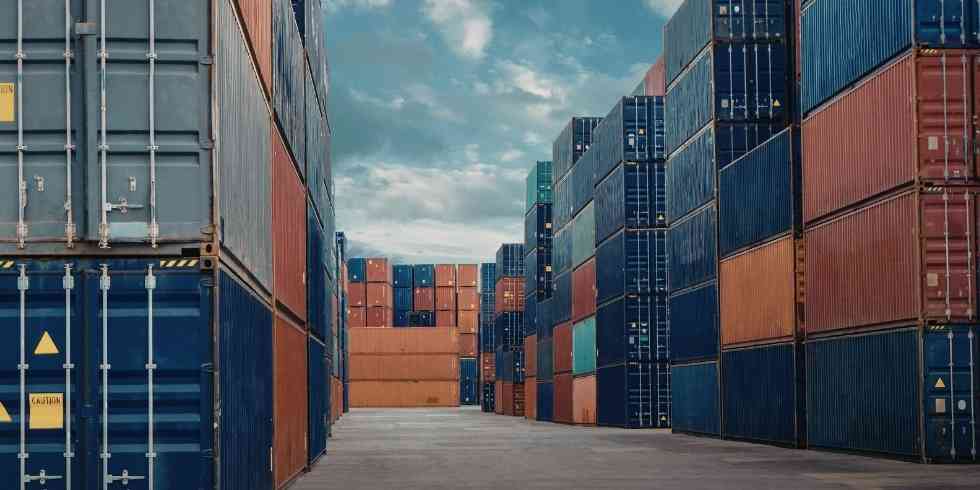
To understand the fundamental differences between the two shipping methods, it is important to know the advantages and disadvantages of each. Container shipping companies stands out as the superior option in terms of security, organization, and protection of goods, while general cargo shipping remains a less expensive option but lacks efficiency and close monitoring.
Below is a comprehensive comparison highlighting these differences to facilitate the most appropriate decision.
|
Comparison |
Container shipping |
General shipping |
|
Method of transport |
Goods are placed in containers of a single size and completely isolated |
Goods are grouped with other shipments without dedicated containers |
|
Protection |
High protection against theft, damage, and moisture |
Limited protection: goods may be damaged or lost |
|
Organization and loading |
Easy and organized loading and unloading, with reduced chances of error |
Difficult to organize, may require additional manual packing |
|
Customs clearance |
Faster and easier due to organization and standardized criteria |
May be complicated and more prone to delays |
|
Tracking and monitoring |
Accurate tracking of each container throughout the journey |
Limited tracking, especially when sharing a shipment with other goods |
|
Economy of scale |
Ideal for large, frequent shipments, reducing costs in the long term |
Suitable for small or infrequent shipments, but less efficient |
|
Cost |
Higher initially, but offers high protection and efficiency |
Lower cost, but risks may increase costs Efficiency |
|
Flexibility |
Less flexible for partial shipments, excellent for full shipments |
Flexible in partial shipments, where various goods can be combined |
|
Suitability for sensitive types |
Excellent for valuable or perishable goods |
Less suitable for sensitive or high-value goods |
The maritime transport industry underwent a radical transformation with the advent of container shipping, as the transport of goods became safer, more organized, and more efficient compared to traditional general shipping. This transformation was not limited to changing modes of transport, but also included methods of storage, packaging, and tracking, which contributed to improving the supply chain and reducing the risks associated with shipping.
For a deeper understanding of the evolution of each method, the following key points illustrate the differences and developments over the years:
In the early 20th century, general cargo was the predominant method of transporting goods, whereby various goods were loaded together onto ships without specific organization or dedicated containers.
General cargo faced significant problems such as damage to goods, difficulty in loading and unloading, and frequent customs delays due to a lack of organization and control.
In the 1950s, shipping companies began to adopt container shipping as a standardized system, allowing goods to be transported in sturdy, lockable metal containers that were resistant to theft and moisture.
The adoption of containers sped up loading and unloading operations at ports, reduced reliance on labor-intensive work, and improved the efficiency of international shipping.
In recent decades, container shipping has been supported by electronic tracking and real-time monitoring technologies, allowing companies to accurately track shipments and reduce unexpected delays.
Advances in the design of different containers, such as refrigerated and chemical containers, have expanded the range of goods that can be transported safely and efficiently.
In contrast, general cargo has remained a specific option for small or urgent shipments, with lower initial costs, but it has remained less secure and more prone to errors and damage.
The development of container shipping tracking also had a positive impact on logistics and the environment, helping to reduce port congestion and improve ship space utilization, which in turn led to lower emissions and reduced fuel consumption.
Today, container shipping is a fundamental standard for modern international shipping and is the ideal choice for companies wishing to transport large, sensitive, or high-value goods efficiently and quickly.
Shipping companies specializing in container shipping play a crucial role in ensuring that goods are transported smoothly and safely from their point of origin to their final destination by connecting the global supply chain and implementing best logistics practices that reduce risks and delays and improve customer satisfaction.
At International Shipping Company, we achieve this through the following points:
The nature of the goods determines the type of container required. Sensitive or perishable goods require special containers that ensure their quality is maintained during transport.
Yes, it is the most efficient option for long-distance international transport thanks to the stability of containers and their ease of transfer between ports and different modes of transport.
The size and weight of the shipment, the type of goods, the country of import or export, and customs clearance requirements are among the most important factors to consider.
Container shipping remains the most efficient and secure option for transporting goods and reducing risks and delays. With professional shipping solutions and reliable expertise, International Shipping Company affirms its role in providing a seamless shipping experience that meets the requirements of modern markets with confidence and efficiency.