Understanding the sea import freight forwarding process helps importers plan...
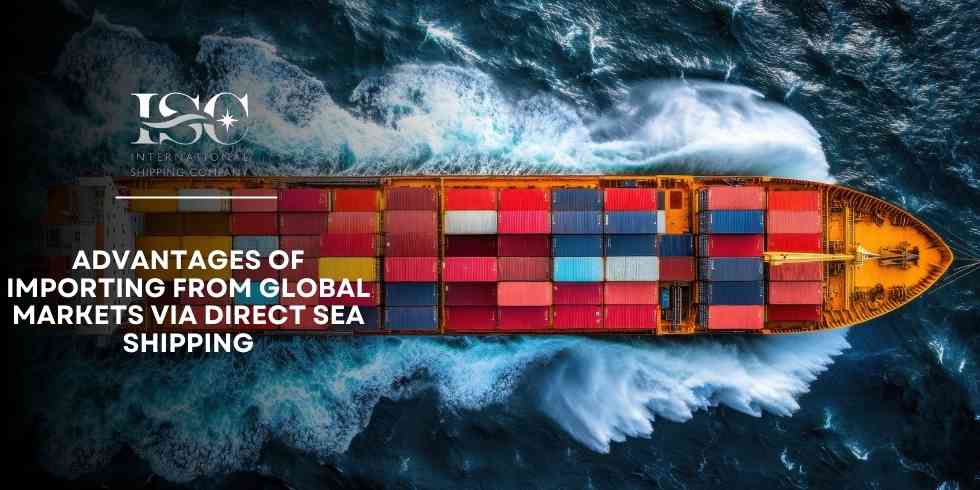



Understanding the sea import freight forwarding process helps importers plan...
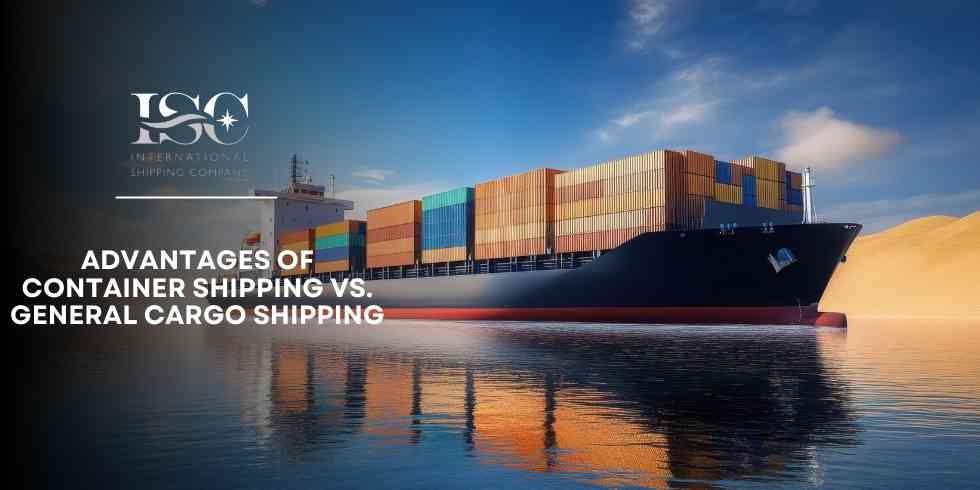
Container shipping is considered the ideal solution for transporting goods...
With the growth of global trade, Marine Insurance has become the first line of...
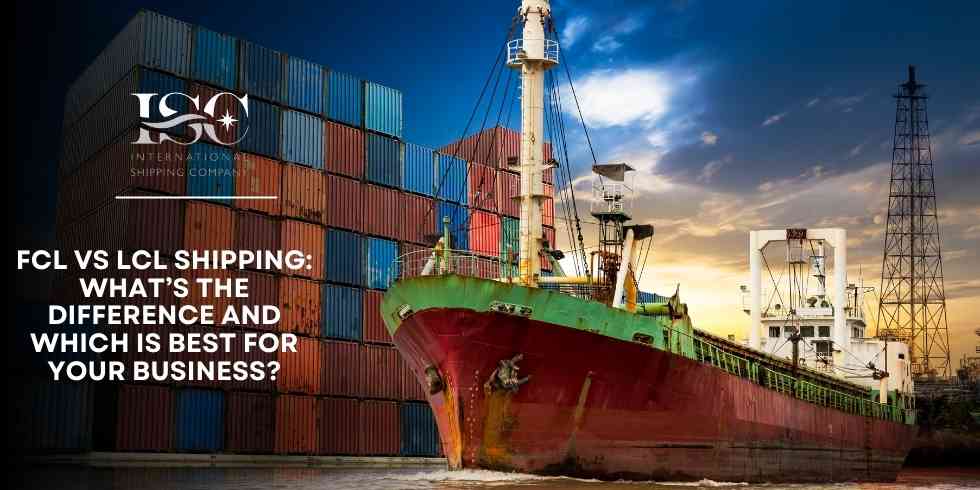
Understanding the difference between FCL vs LCL Shipping is a key step for any...
Custom Clearance in Egypt is a crucial step for any business owner importing...
The world has witnessed a tremendous transformation in the ways goods are...
The efficient movement of goods between countries is essential for the...
If you are looking for the best international shipping companies that provide...
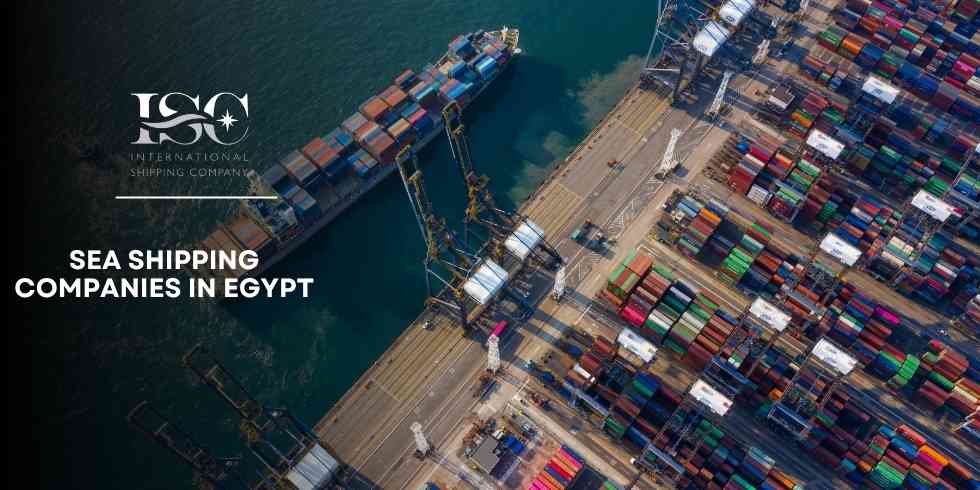
The number of shipping companies in Egypt has increased in recent years....
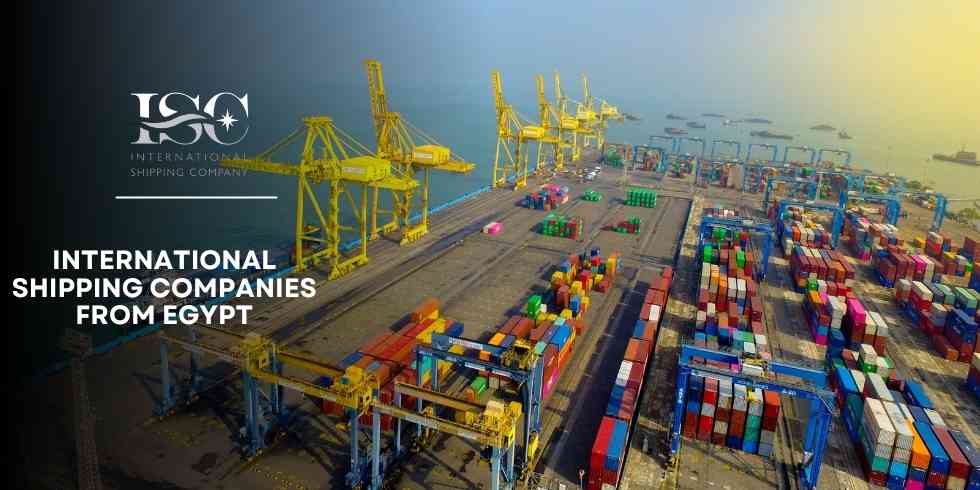
With the boom in e-commerce and increased global consumption, as well as in...
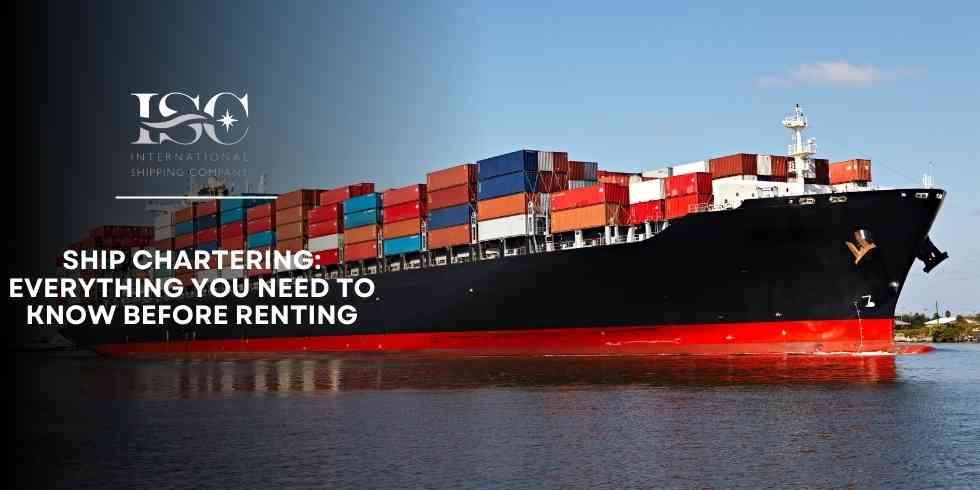
efficient maritime transport solutions without the burden of ownership especially in light of the development of global trade.
Before making a chartering decision, it is essential to understand the types, conditions and costs to ensure the best operational return. This is where International Shipping Company ISC stands out as a trusted name offering specialized expertise and well-considered chartering options that meet a variety of maritime needs.
This makes Ship Chartering a preferred solution for modern maritime businesses seeking efficiency and flexibility.
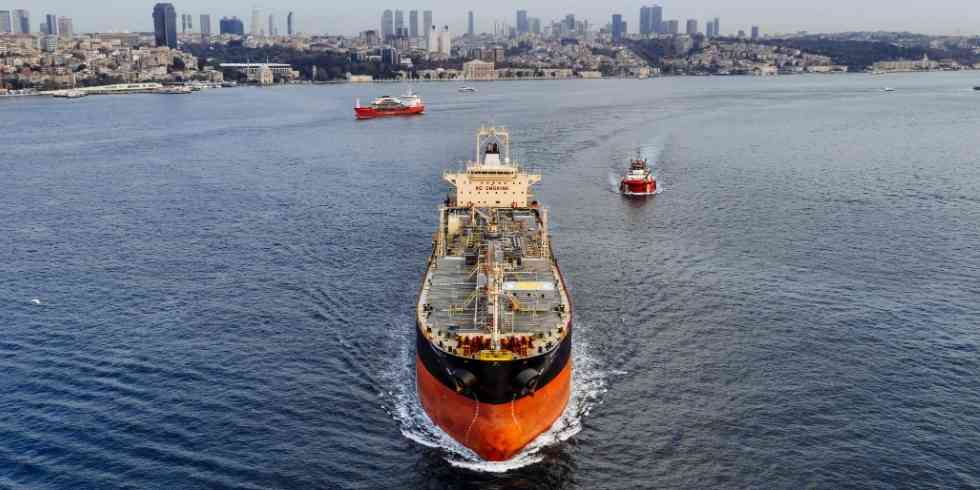
Ship chartering is a practical and advanced option for entities seeking professional maritime operations without long-term investments especially in light of the volatility of maritime markets and the accelerating pace of global trade.
This highlights the fundamental differences that make chartering more efficient than ownership as evidenced by the following advantages:
These advantages clearly explain why Ship Chartering is increasingly adopted across global maritime markets.
This operational speed is one of the key strengths of Ship Chartering.
Ship chartering offers flexible solutions tailored to various maritime transport and global trade operations, allowing customers to choose the optimal ship type based on cargo size, voyage nature, and maritime route, ensuring high operational efficiency and calculated investment returns.
Selecting the right vessel is a critical part of successful Ship Chartering operations.
The following are the main types available for charter, highlighting the features of each category:
Such flexibility further reinforces the value of Ship Chartering solutions.
Choosing the right company is one of the most important factors determining the success of any ship chartering operation, as it directly affects the quality of maritime services, punctuality, and cargo safety.
Choosing the right partner ensures a successful Ship Chartering experience.
Hence, there is a need for precise criteria to help make the right decision. These are the most important criteria to consider when choosing a reliable chartering company:
Among the leading companies in this field is International Shipping Company, which offers high-quality ship chartering services with full compliance with international standards and outstanding operational expertise in Ship Chartering.
Knowing the cost of chartering ships is an essential part of the financial planning for any maritime shipping operation, as it helps companies and individuals accurately estimate their budget and make strategic decisions that maximize their return on investment.
Understanding these factors helps optimize Ship Chartering budgets and operational planning.
Determining these costs depends on a variety of factors that directly affect the final price. The following are the most important points to consider:
The duration varies depending on the type of ship and the agreement. It can be short, ranging from days to weeks, or long, extending to several months or even years within Ship Chartering agreements.
Yes, some ship charter contracts allow for flexibility in routes, but this depends on the terms of the contract and the type of service agreed upon in Ship Chartering.
Basic costs such as fuel and crew wages are often included, while port fees or additional services may be added separately depending on the Ship Chartering contract.
Ultimately, chartering a vessel is the ideal option for companies and individuals seeking flexible and safe maritime operations, and choosing a reliable company makes all the difference. You can rely on the expertise of International Shipping Company to provide integrated Ship Chartering solutions that efficiently meet all your maritime needs.