Understanding the sea import freight forwarding process helps importers plan...




Understanding the sea import freight forwarding process helps importers plan...
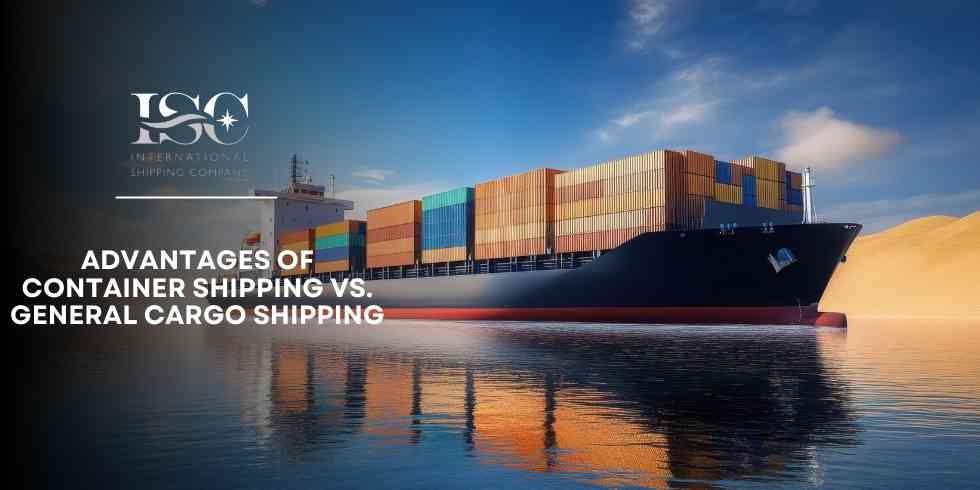
Container shipping is considered the ideal solution for transporting goods...
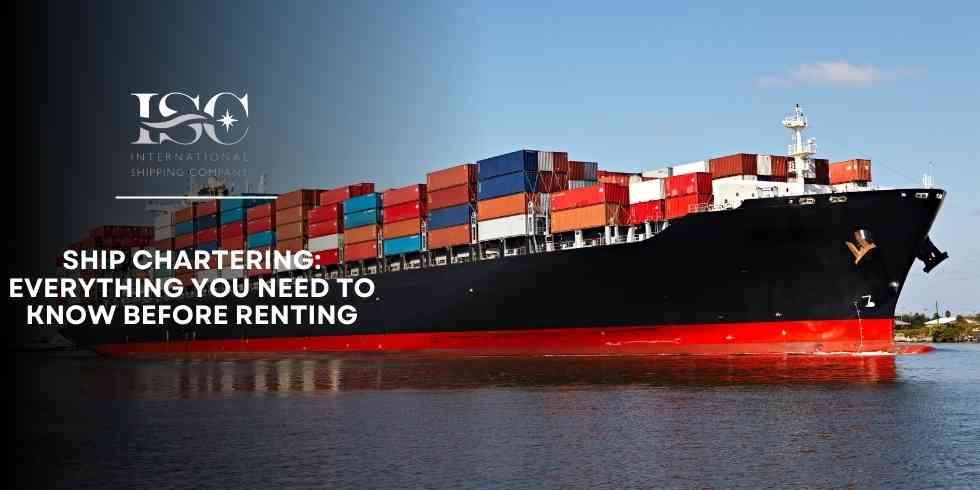
efficient maritime transport solutions without the burden of ownership...

With the growth of global trade, Marine Insurance has become the first line of...

Custom Clearance in Egypt is a crucial step for any business owner importing...
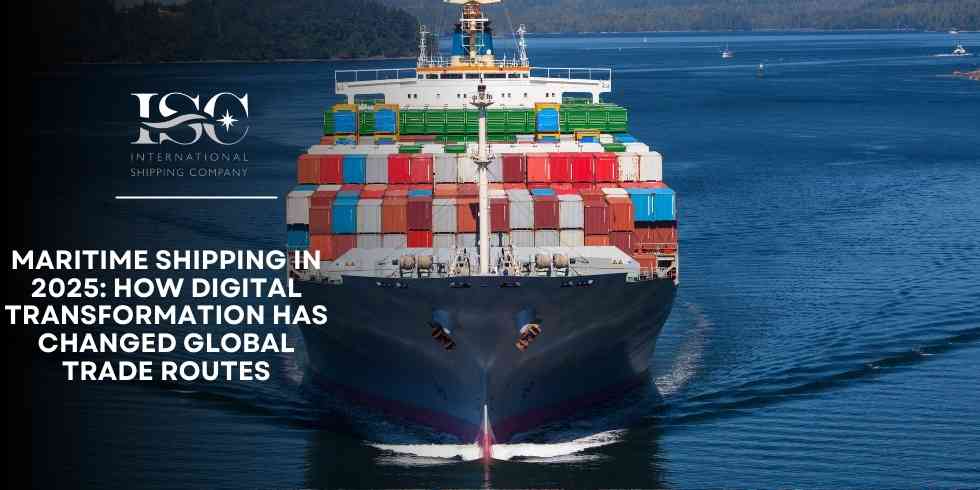
The world has witnessed a tremendous transformation in the ways goods are...
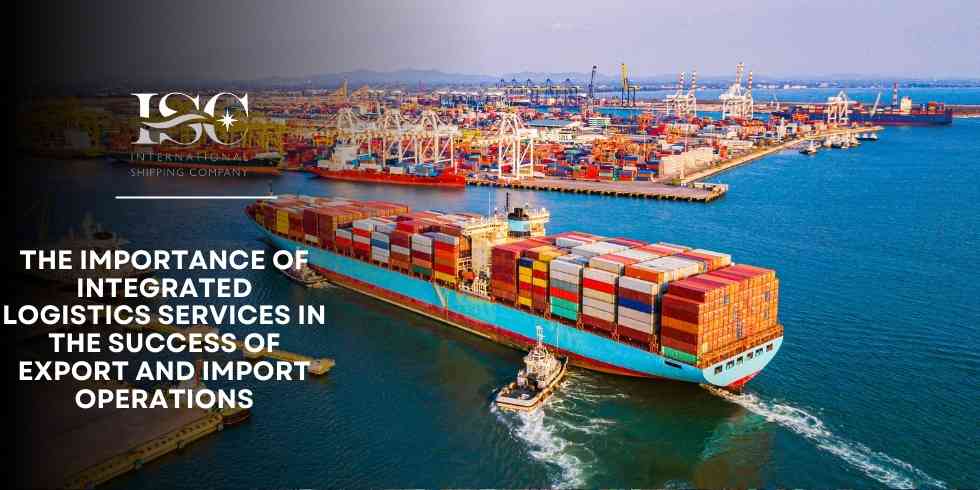
The efficient movement of goods between countries is essential for the...
If you are looking for the best international shipping companies that provide...

The number of shipping companies in Egypt has increased in recent years....

With the boom in e-commerce and increased global consumption, as well as in...
Understanding the difference between FCL vs LCL Shipping is a key step for any business owner who wants to choose the most efficient shipping method.
Your decision between a full container or a consolidated shipment can shape your overall cost speed and cargo safety during transport.
With support from International Shipping Company you can evaluate your needs with accuracy and choose the option that delivers the highest efficiency in import and logistics operations.

FCL shipping is an essential concept when comparing FCL vs LCL Shipping especially for importers who handle large shipments that require a higher level of security and control.
This method uses a full container dedicated entirely to your cargo with no shared space.
Here are the main advantages of FCL shipping:
If you need guidance choosing whether FCL suits your business when comparing FCL vs LCL Shipping International Shipping Company provides accurate logistics consultations to ensure the most profitable and efficient choice.
LCL works best when your load is too small for a full container.
It is an important option to analyze while studying FCL vs LCL Shipping especially for smaller businesses or shipments that need an economical solution.
Here are the cases where LCL is suitable:
If you need expert help choosing between FCL vs LCL Shipping the company provides precise logistics analysis to help you select the most cost-efficient option.
Understanding FCL vs LCL Shipping is essential for accurate budgeting and avoiding unexpected expenses during clearance or transport.
Key cost factors include:
The company provides expert analysis of FCL vs LCL Shipping to help you control logistics costs with confidence.
Comparing FCL vs LCL Shipping becomes clearer when you examine the operational and logistical differences that affect shipment flow flexibility and customs procedures.
Comparison Table:
| Comparison Point | FCL | LCL |
| Schedule Flexibility | Less flexible due to full container loading | More flexible through consolidated cargo |
| Insurance | Full container insurance | Insurance applies to each individual shipment |
| Customs Clearance | Faster due to single container | Longer due to multiple documents |
| Tracking | Easy direct tracking | Harder because of multiple shipments inside one container |
| Cargo Control | Full control from start to finish | Limited during consolidation |
International Shipping Company helps you compare FCL vs LCL Shipping with professional consultations that simplify your decision and ensure the highest level of efficiency.
Every importer needs a full evaluation of operational and financial factors before choosing between FCL vs LCL Shipping.
The company supports your decision through:
Through professional guidance the company helps you make the right choice in the FCL vs LCL Shipping comparison securing efficiency safety and cost control.
Yes some companies offer mixed solutions that combine small shipments with FCL containers which can reduce cost when planned carefully. This is a useful approach when studying FCL vs LCL Shipping.
FCL is generally faster since it does not require consolidation while LCL may face delays due to additional inspection steps.
Yes FCL usually needs full container insurance while LCL covers each shipment individually which changes total cost.
Usually no. FCL containers are sealed for better protection while LCL allows more flexibility before departure.
LCL is often more suitable for small and new businesses due to lower initial cost.
Comparing FCL vs LCL Shipping helps ensure the right choice.
Understanding the difference between FCL vs LCL Shipping helps you choose the most suitable method for your business based on cost speed and cargo security.
With professional analysis you can plan your shipments efficiently and avoid unexpected risks.
International Shipping Company offers complete shipping consultations to help you select the ideal option in your FCL vs LCL Shipping strategy ensuring a safe and cost-effective shipping journey from start to final clearance.