Understanding the sea import freight forwarding process helps importers plan...
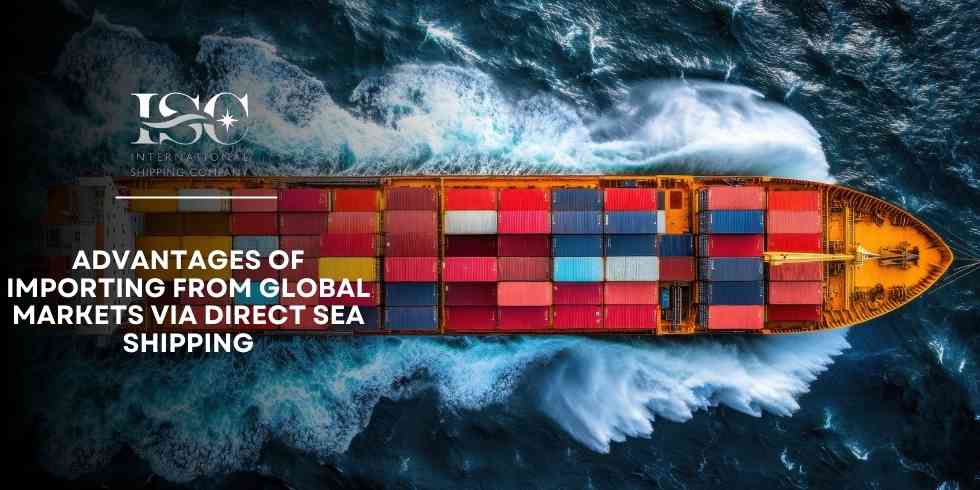



Understanding the sea import freight forwarding process helps importers plan...
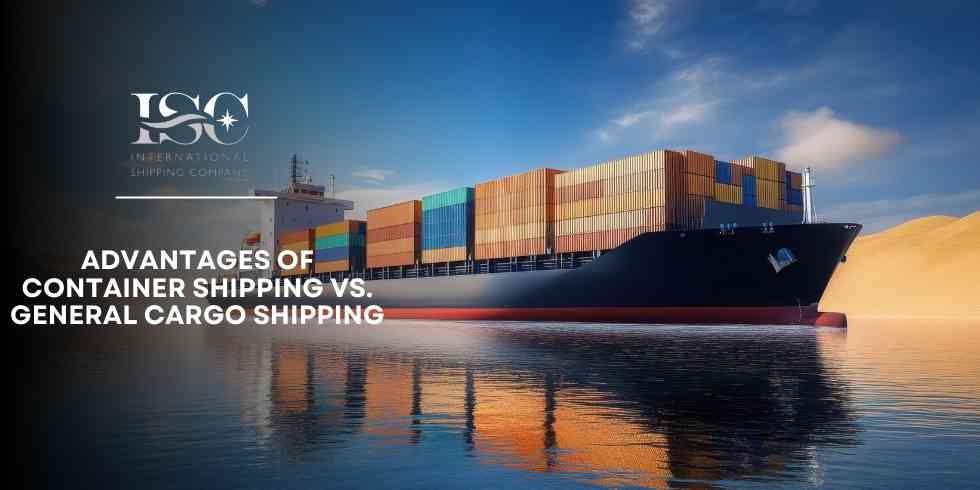
Container shipping is considered the ideal solution for transporting goods...

efficient maritime transport solutions without the burden of ownership...

With the growth of global trade, Marine Insurance has become the first line of...

Understanding the difference between FCL vs LCL Shipping is a key step for any...

Custom Clearance in Egypt is a crucial step for any business owner importing...
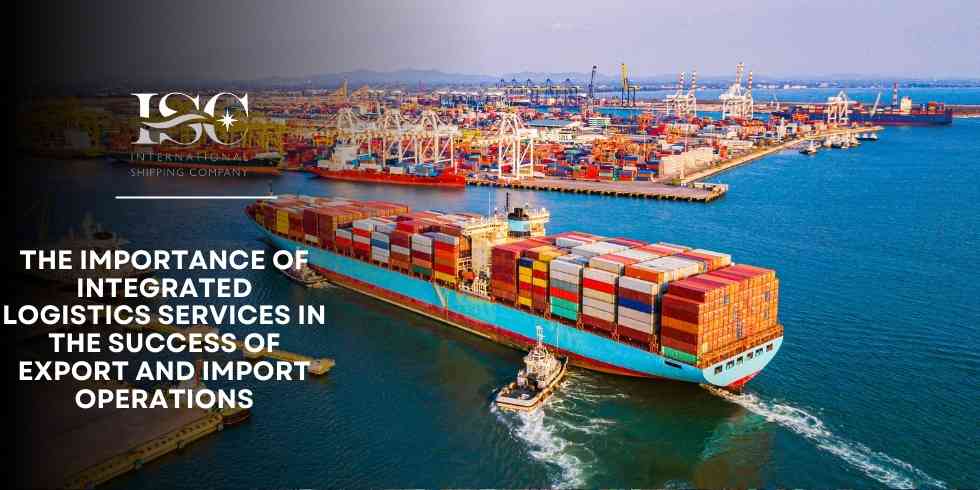
The efficient movement of goods between countries is essential for the...
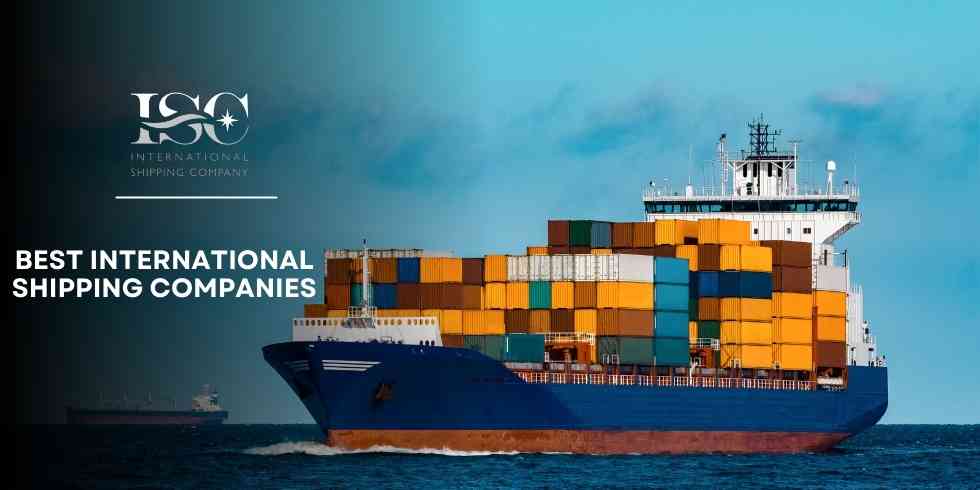
If you are looking for the best international shipping companies that provide...

The number of shipping companies in Egypt has increased in recent years....
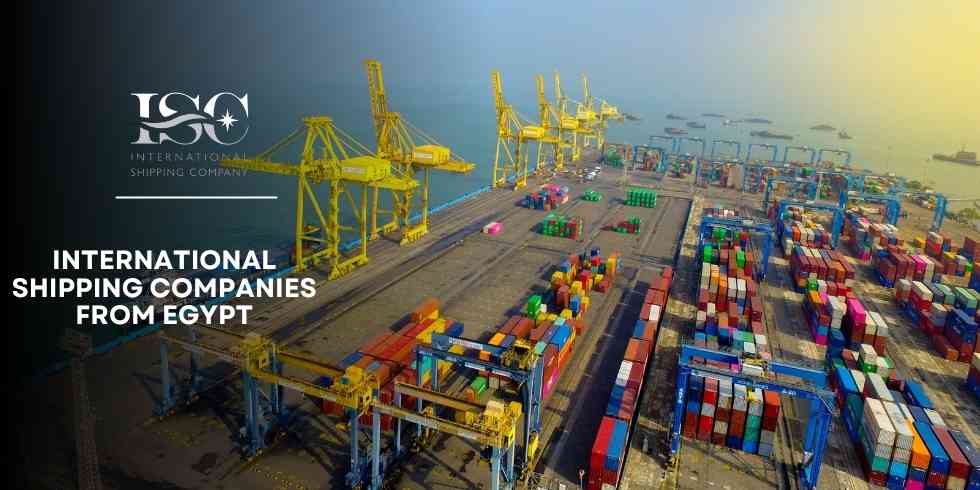
With the boom in e-commerce and increased global consumption, as well as in...
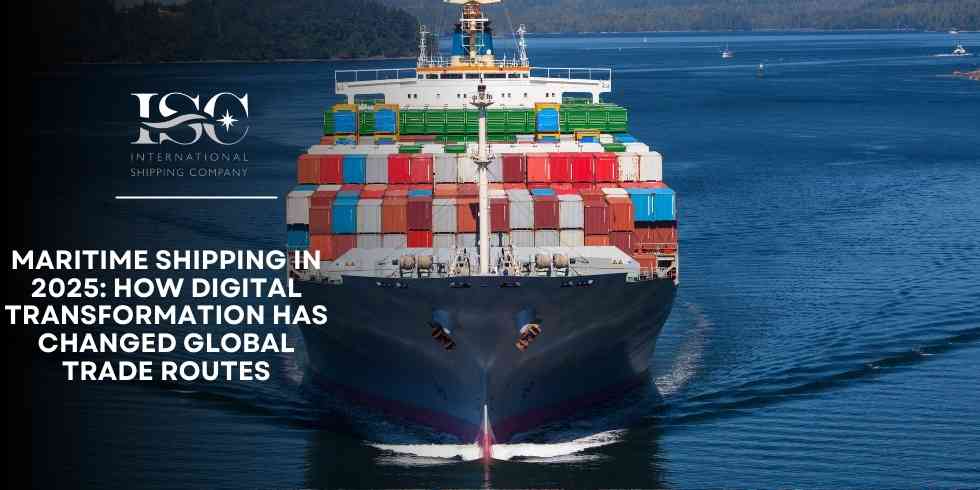
The world has witnessed a tremendous transformation in the ways goods are transported in recent years and with the advent of the fully digital age, maritime shipping in 2025 will be more intelligent and effective than ever before
Ships are no longer just a means of transporting goods but have become technological platforms relying on smart data, real-time tracking systems and automation.
This transformation has not only changed the speed and reliability of maritime transport but has also redrawn the map of global trade, opening up new opportunities for companies and investors to increase profits and reduce risks.
Before the digital transformation entered the world of maritime shipping in 2025, maritime transport was a traditional process that relied on manual procedures and paper documents, making the management of ships and cargo more difficult and complex.
International shipping was not as seamless as it is today with companies facing significant challenges in tracking goods and ensuring they arrived on time.
These are the most notable characteristics of maritime shipping in 2025 before digitization:
With the advent of technology and digitization in the maritime transport sector, maritime shipping in 2025 will be smarter and more efficient than ever before.
Operations no longer rely on paper or guesswork, it is now possible to manage voyages and monitor ships and cargo with high precision, raising the level of confidence in international shipping.
Today, the best shipping companies such as International Shipping Company, offer innovative solutions based on smart data, making it easier to track goods, improve logistics planning and reduce operating costs.
Here are the most notable aspects of the digital transformation of shipping in 2025:
With continuous technological advances, maritime shipping in 2025 is moving toward unprecedented innovations that are redefining maritime transport around the world.
Ships are no longer just a means of transporting goods but have become smart platforms that rely on modern technologies such as artificial intelligence, clean energy, and automation systems which enhance the efficiency of global shipping lines and make international trade faster and more reliable.
The following are the most notable innovations in the shipping industry:
Providing advanced tracking tools that give customers complete visibility into the status of their shipments at any given moment.
Based on our vision at International Shipping Company to strengthen our position as a strategic partner in the development of the global shipping sector, we affirm that the digital transformation in maritime shipping in 2025 has brought about a qualitative shift in international trade mechanisms.
It can be said that smart technologies and advanced analytics have contributed to increasing the efficiency of transportation operations, enhancing transparency and enabling companies to access new markets with unprecedented ease.
Through our field experience and logistics partnerships around the world, we observe the most significant digital impacts on global trade as follows:
With increasing reliance on digital technology, maritime shipping in 2025 will be more vulnerable to cyber risks, making data protection vital to ensuring the safety of maritime operations and the reliability of maritime shipping tracking.
Modern shipping companies rely on advanced encryption systems and strict security protocols to prevent any breaches that could affect ship or cargo data.
These are the most prominent cybersecurity mechanisms in maritime shipping:
These usually include a bill of lading, commercial invoice, packing list and certificates of origin, which are necessary to facilitate customs clearance and ensure the safe arrival of goods.
Yes, many shipping companies offer apps and digital platforms that allow access to shipping information and real-time tracking of sea freight from anywhere in the world.
Goods can be insured against loss or damage during sea transport, and there are options that include full value insurance or partial coverage depending on the type of shipment and customer requirements.
The website provides tools for booking shipments, tracking cargo, calculating international shipping costs and managing documents electronically, making it easier for customers to plan their sea transport operations efficiently.
Yes, some companies use smart sensors to monitor temperature and humidity, and advanced GPS systems to track maritime shipments and ensure the safety of goods throughout the journey.
Maritime shipping in 2025 is undergoing an unprecedented transformation thanks to digitalization and modern technology, making international shipping faster, more efficient and more reliable than ever before.
As digital transformation continues, it is clear that the future will be more flexible which promises to open up new horizons for companies and traders to take advantage of global opportunities and achieve sustainable growth in the maritime transport sector.