Understanding the sea import freight forwarding process helps importers plan...
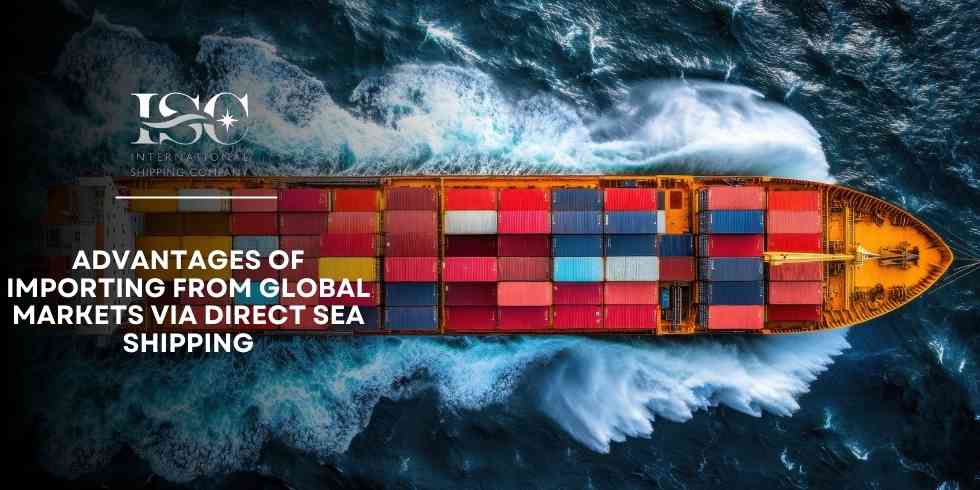



Understanding the sea import freight forwarding process helps importers plan...
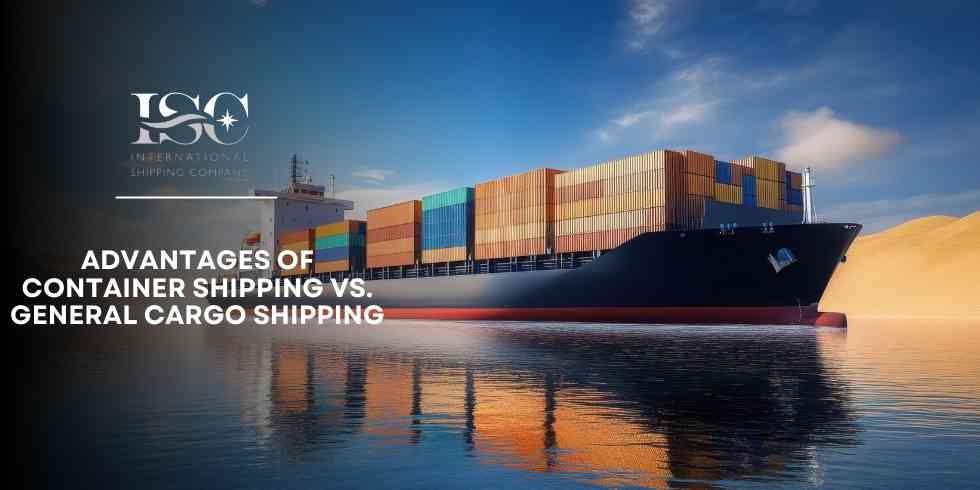
Container shipping is considered the ideal solution for transporting goods...
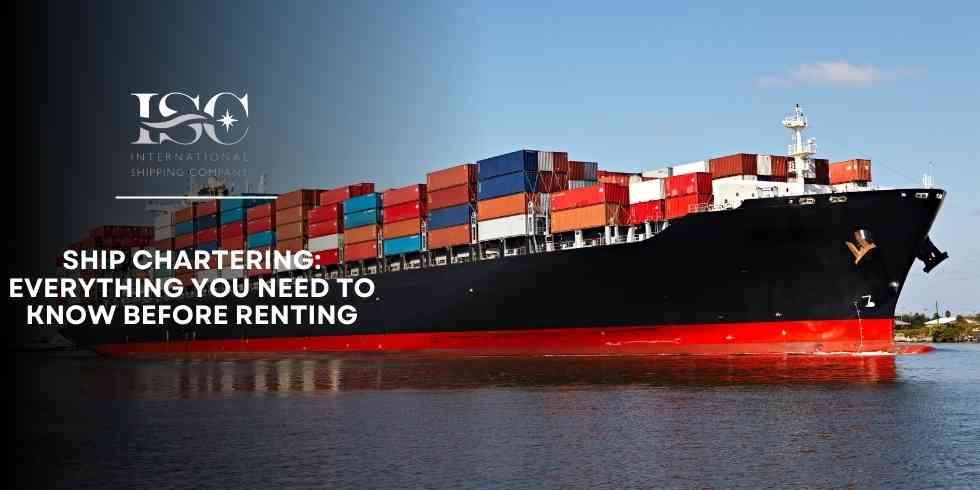
efficient maritime transport solutions without the burden of ownership...

With the growth of global trade, Marine Insurance has become the first line of...
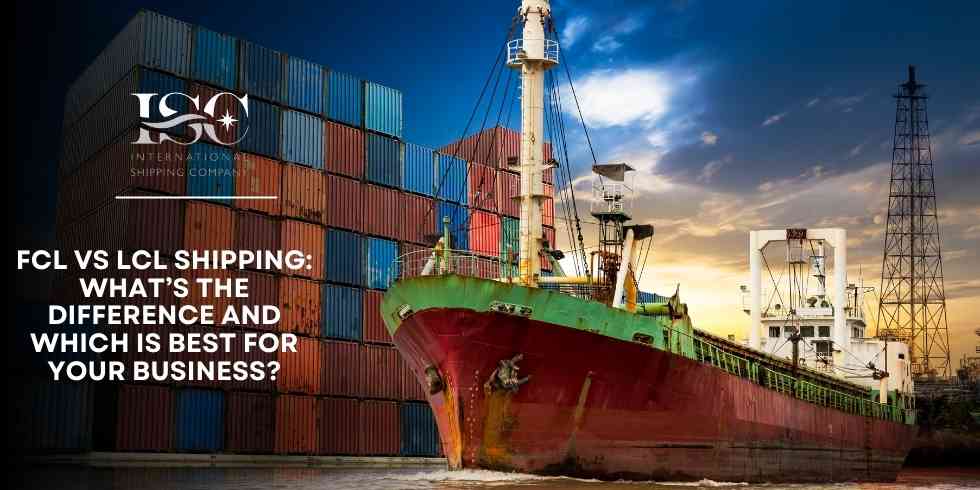
Understanding the difference between FCL vs LCL Shipping is a key step for any...

Custom Clearance in Egypt is a crucial step for any business owner importing...
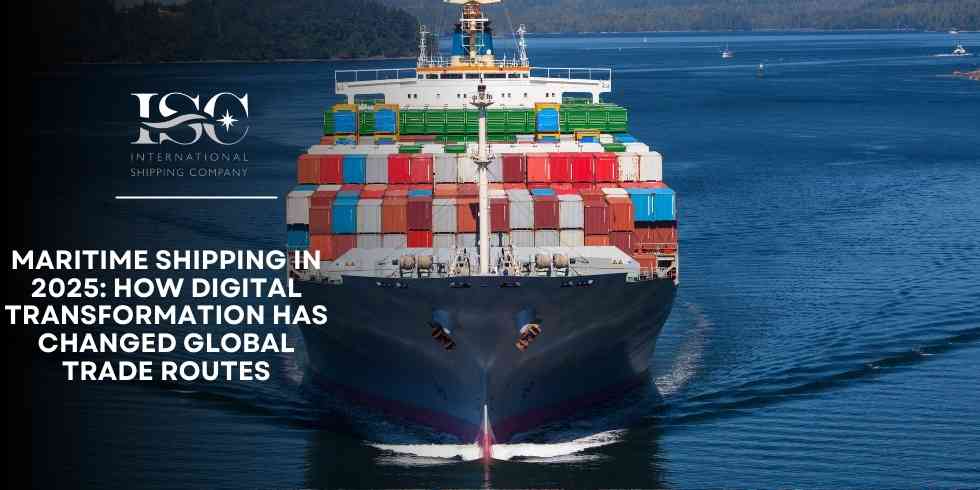
The world has witnessed a tremendous transformation in the ways goods are...
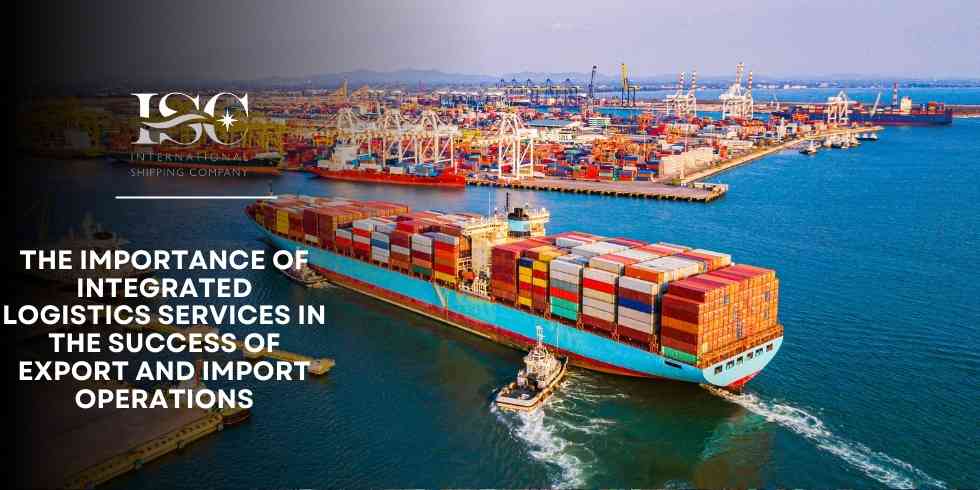
The efficient movement of goods between countries is essential for the...
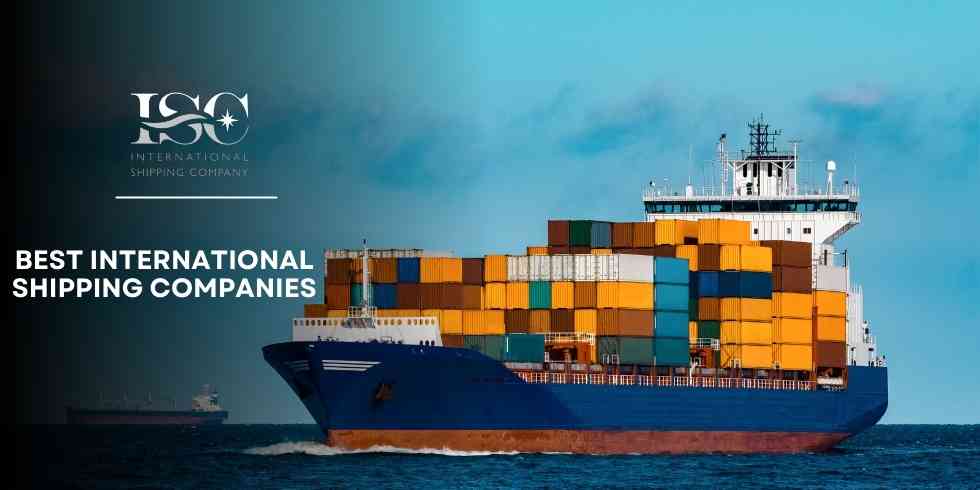
If you are looking for the best international shipping companies that provide...
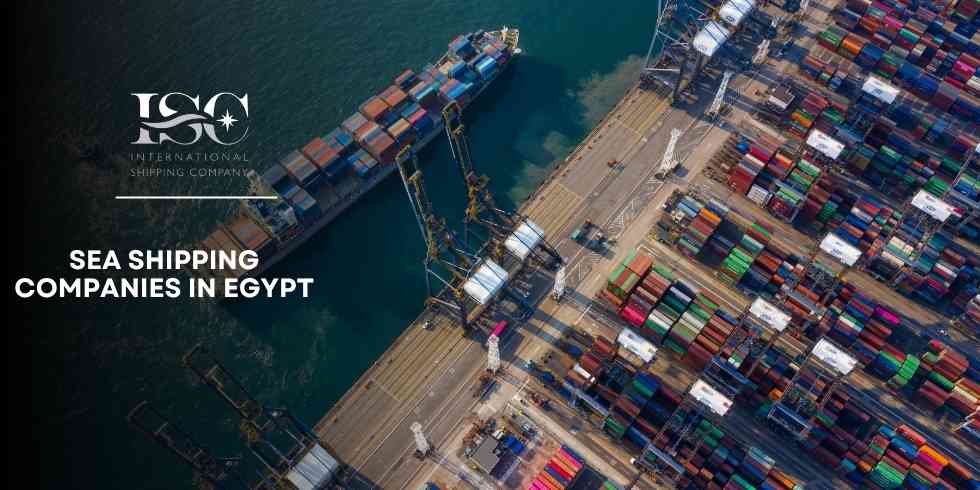
The number of shipping companies in Egypt has increased in recent years....
The shipping services sector is undergoing a profound strategic transformation. It is no longer a cost centre but has been a major growth generator and part of the customer experience. The global markets are projected to reach USD 8.14 trillion by the year 2029 with a growth rate of 4.57 per annum.
This has necessitated the identification of the appropriate shipping partner as a strategic choice that can make the difference between the success and failure of companies and e-commerce enterprises. In order to succeed in 2025, it is important to have a profound knowledge of the trends existing in the market such as artificial intelligence and sustainability and one should have the capacity to balance the cost, speed and quality to come up with a fantastic customer experience.
The shipping services stands on the threshold of a new era—one driven by technology, evolving consumer expectations, and global economic pressures. In order to know this transformation, it is important to examine the trends that are defining its future:
Modern shipping operations are now being based on artificial intelligence. Its value has shifted to other areas of automation to the predictive analytics that forecast customer requirements.
Major companies such as International shipping services Company (ISC) leverage AI to optimize shipping routes, reduce transit times, and achieve significant cost savings, all while improving operational efficiency.
In addition, these technologies are automating in warehousing and sorting processes leaving the human resource to concentrate on strategic growth and innovations.
Consumers have increased in their awareness of the environment. According to statistics, 7073 per cent of customers are ready to pay more when companies which follow sustainable practices sell their products.
Therefore, green shipping is not a cheap luxury anymore; it is already an element of the rivalry.
Some of these practices are eco-friendly packaging, shipping carbon-neutral, having electric delivery fleets or blockchain technology that will provide transparency in the supply chain.
The shipping industry is sensitive to happenings around the world and trade policies.
The disruption at the Red Sea, protectionist trade policies and tariffs have led to extreme changes in shipping prices and reliability of routes.
The 2025 market data indicates a drop in the sea freight rates in certain areas and significant increase in air freight costs as a result of high demand in delivery of the cargo fast.
Read more: Leading Shipping Services Operating in Egypt
Choosing the right shipping method is a crucial decision that depends on finding the right balance between cost, speed, and capacity. Therefore, it’s important to understand the main shipping options available in order to select the best service at the lowest possible cost.
Air shipping services is the ideal choice for high-value and time-sensitive goods, where speed is the top priority. However, like any method, it comes with both advantages and disadvantages:
Limited capacity, making it unsuitable for heavy or oversized shipments.
In shipping services, sea freight remains the most effective method for transporting large volumes across continents and serves as the backbone of global trade. It comes with several advantages and disadvantages:
Any land shipping company plays a vital role in the logistics chain by offering door-to-door delivery and connecting ports and airports to final destinations. It forms the regional and last-mile link in global shipping services networks. Its main advantages and disadvantages are:
Lower security level compared to air freight.
The necessary requirements for an integrated shipping services partner Choosing the right shipping services company requires a systematic approach that starts internally and depends on several key factors:
Internal Needs Analysis: Before searching for a partner, every company must understand its specific requirements:
Evaluating Potential Partners – Key Criteria: When assessing potential partners, focus on the following:
Based on these criteria, International Shipping Company (ISC) stands out as one of the best providers of comprehensive shipping services, thanks to its extensive experience and integrated solutions that efficiently and professionally meet customer needs.
Among the most important parties in shipping services operations are the freight forwarder and the carrier. The distinction between the two entities is very critical and therefore anyone involved with shipping companies must understand the difference between the two. Both positions are essential to every company that has advanced logistics.
The major differences between the two are listed below:
The carrier is the one that possesses the transport resources (i.e. aircraft, ships or trucks) and has to perform the physical transfer of goods.
Examples include airlines and maritime shipping services lines.
Freight forwarder is the third party or proxy of the shipper.
They are not always the owners of transportation resources but rather the operators of the whole logistics process through the contracting of a variety of carriers.
They also deal with documentation, clearance of customs, and consolidation and provide a one-layered logistics service to clients.
To businesses, particularly those that have to work in sophisticated areas like Middle East, it is ineffective and risky to be involved with a number of vendors (carrier, customs broker, warehouse). The value of International Shipping Company (ISC) is exceptional as the most integrated logistics company, as it provides an end-to-end solution. This is because the company does not only own transport assets, it also owns all the logistics process which serves as a single point of contact to facilitate all the moving parts making it less complex and risk minimization to the clients. International Shipping Company provides a full range of integrated services, including import and export operations, shipping services agency, customs clearance, port operations, land transportation, and warehousing, embodying the concept of a one-stop partner capable of managing the entire supply chain.
Shipping services costs depend on several key factors:
Bill of Lading (BOL) is a legal document which is a contract between the shipper (owning the goods) and the carrier. It contains the information on the contents, quantity, weight, destination and the consignee of the shipment. The BOL acts as:
It is a necessary document in the international trade – without it, the shipment cannot be cleared by the customs, and the consignee cannot receive it at the point of delivery.
Shipping services are no longer a secondary business function — they have become a core part of brand identity and competitive strategy. The key to success in 2025 and further requires a balanced approach in order to be cost-effective, fast, and sustainable, which will rely on technologies such as artificial intelligence. It is much more important to select the appropriate partner that will provide a complete set of logistics services and reduce the risks involved in operations, rather than just pick the cheapest carrier. The appropriate partner will help the businesses develop resilient, cost-effective, and customer-focused supply chains, which will provide them with a competitive advantage in the dynamic global trading environment in the long term.