Understanding the sea import freight forwarding process helps importers plan...


Understanding the sea import freight forwarding process helps importers plan...
Container shipping is considered the ideal solution for transporting goods...
efficient maritime transport solutions without the burden of ownership...

With the growth of global trade, Marine Insurance has become the first line of...
Understanding the difference between FCL vs LCL Shipping is a key step for any...

Custom Clearance in Egypt is a crucial step for any business owner importing...
The world has witnessed a tremendous transformation in the ways goods are...
The efficient movement of goods between countries is essential for the...
If you are looking for the best international shipping companies that provide...
The number of shipping companies in Egypt has increased in recent years....
The international shipping industry is undergoing rapid development and smart containers have become more than just a technical innovation as they have become a key strategic element for any company that aspires to keep pace with competition on the global stage.
Equipped with sensor and instant communication technologies, these smart containers have made the international shipping process safer, more transparent and more accurate.
Because development is not just a slogan, ISC Shipping has adopted this concept to provide practical solutions that improve service efficiency and support digital transformation in the maritime transport sector, giving customers a shipping experience that is completely different from what they have been used to in the past.
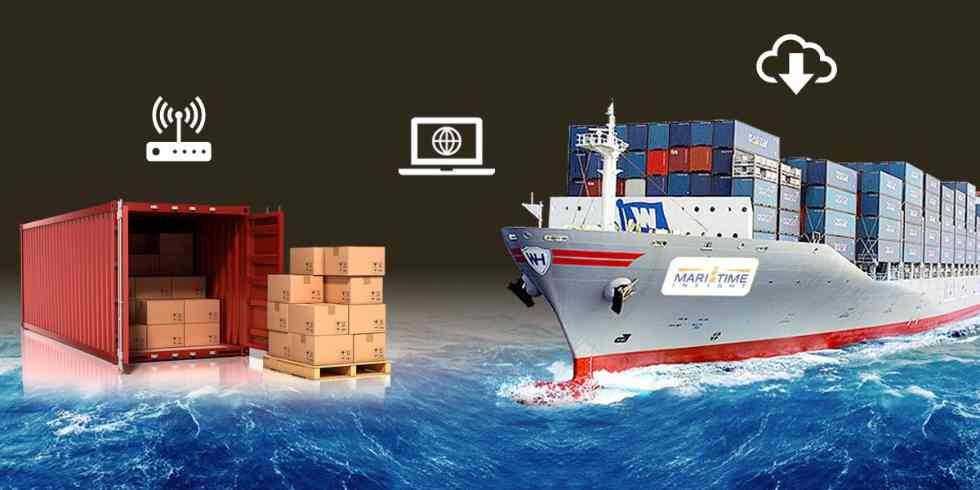
When you hear the term “smart container” you might think they are just ordinary containers with some electronic equipment added to them but the reality is much deeper than that.
Smart containers are a new generation of international shipping containers equipped with Internet of Things (IoT) technologies and advanced sensors that enable you to track your shipment step by step even if it is in the middle of the ocean.
These containers have features that set them apart from any traditional means of transport such as:
The difference between the two types is similar to the difference between a classic car and a modern self-driving car.
In the international shipping market, traditional containers serve their basic purpose but they do not provide you with any information during the journey.
Smart Container, on the other hand put you at the heart of the action, giving you a comprehensive view of the status of your shipment at every moment.
The following table illustrates the differences between traditional containers and Smart Containers:
|
Comparison |
Traditional Containers |
Smart Containers |
|
Tracking |
Only available via shipping documents |
Real-time tracking via GPS |
|
Environmental Monitoring |
Not possible |
Monitoring of temperature, humidity and vibrations |
|
Security |
Vulnerable to damage or theft |
Instant alerts in case of tampering |
|
Logistical efficiency |
Subject to manual inspection |
Smart supply chain management |
|
Operating cost |
High due to losses and breakdowns |
Low due to good planning |
Some might ask: what’s the real benefit of these smart containers?
The truth is it’s not just about new tech but a revolution in how maritime transport is managed.
Smart container give international shipping companies and customers the ability to predict problems before they occur, improve planning and reduce costly mistakes.
Among the most prominent roles of modern containers in the future of international shipping are:
International Shipping Company (ISC) is not just a shipping carrier but a smart solutions provider that relies on technology at every step.
The company has realized that Smart Containers are not just an additional tool but an investment in the future of international shipping.
Its services in this field include:
Behind the success of Smart Container is a range of modern technologies that have turned the idea of monitoring and control from a dream into reality most notably:
Let’s agree that caring for the environment is no longer an option but a global requirement.
In this regard, smart container offer a smart solution for companies that want to reduce their environmental impact.
Among the contributions of smart container to protecting the environment are:
Despite the advantages of smart container and its effectiveness in international shipping, there are challenges that cannot be ignored including:
However, ISC has been able to overcome these obstacles by adopting phased investment plans that reduce the initial cost burden, building partnerships with technology solution providers to develop digital infrastructure, implementing ongoing training programs for personnel and adopting advanced cybersecurity systems.
Yes, some shipping companies including International Shipping Company (ISC) offer leasing options to reduce the initial investment burden.
They rely on long-life batteries or small solar power systems to ensure continuous operation for long periods.
Smart container is designed to international standards (such as ISO) to ensure they can be used on ships and in ports around the world without compatibility or safety issues.
Yes, smart container is designed to withstand harsh weather conditions with monitoring and tracking systems continuing to operate efficiently.
Yes, some containers support remote software updates (OTA Updates) to ensure they are kept up to date with the latest security and technical features.
A standard 40-foot smart container has a capacity of approximately 67 cubic meters and is typically used to transport large or bulky goods.
The price of cargo containers varies depending on size and condition, often ranging from $2,000 to $6,000.