Understanding the sea import freight forwarding process helps importers plan...



Understanding the sea import freight forwarding process helps importers plan...
Container shipping is considered the ideal solution for transporting goods...
efficient maritime transport solutions without the burden of ownership...

With the growth of global trade, Marine Insurance has become the first line of...
Understanding the difference between FCL vs LCL Shipping is a key step for any...

Custom Clearance in Egypt is a crucial step for any business owner importing...
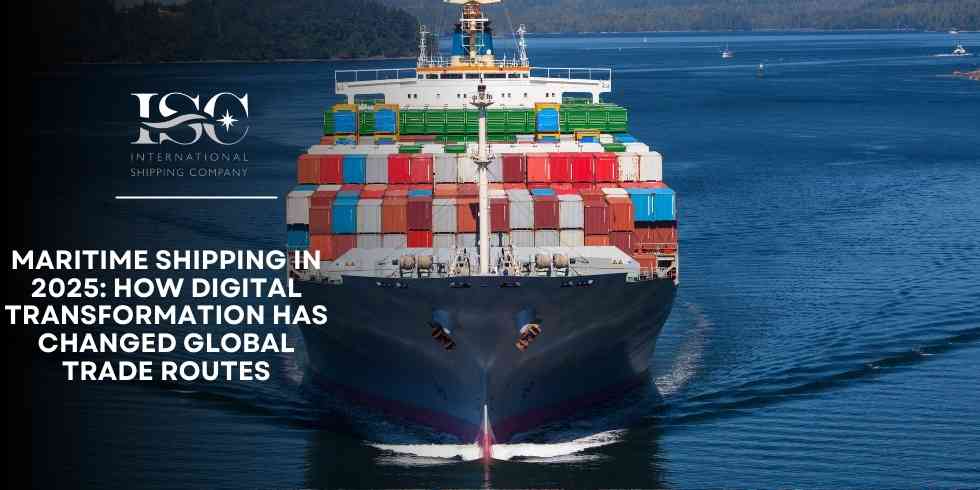
The world has witnessed a tremendous transformation in the ways goods are...
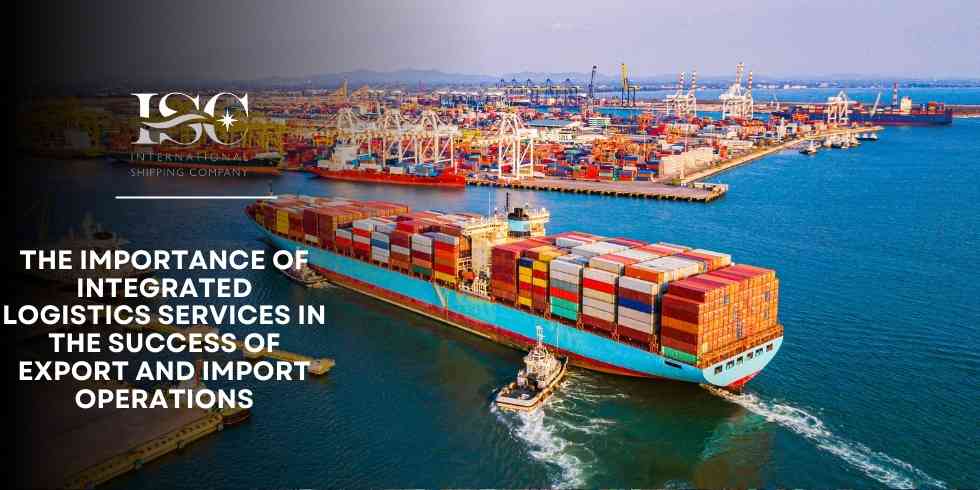
The efficient movement of goods between countries is essential for the...
If you are looking for the best international shipping companies that provide...
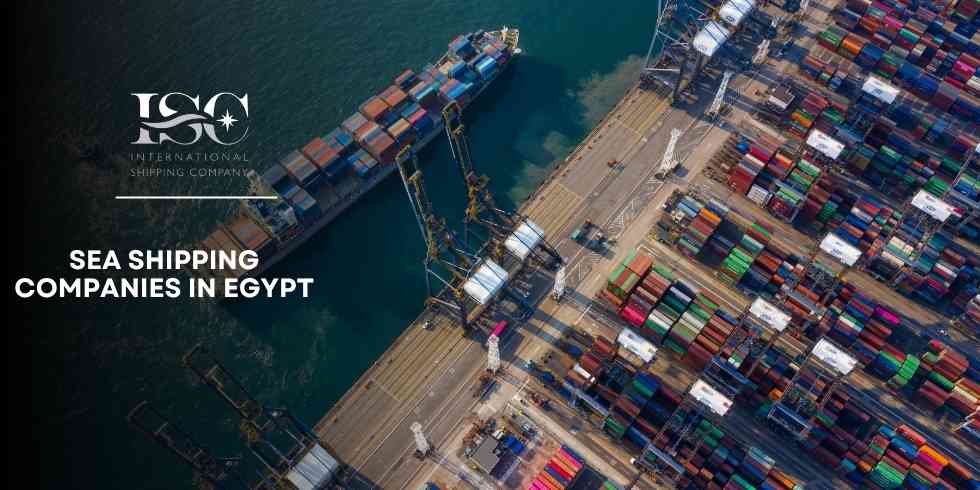
The number of shipping companies in Egypt has increased in recent years....
Seaports Management and associated logistics represent the true Commercial traffic between countries. They are the place where the journey of goods begins and ends, whether arriving from abroad or destined for export. Each seaport serves as a major gateway for transporting goods from ships to warehouses and domestic markets, and vice versa, making it a hub for the movement of goods around the world.

Ports Management and maritime logistics activities face a range of daily challenges, which International Shipping Company skillfully addresses. The most important of these challenges are:
Several factors influence Ports Management and the movement of maritime cargo. The most important of these factors are:
The quantity and type of cargo at each port have a direct impact on work organization and operational flow. Ports that receive large shipments face greater challenges in organizing loading and unloading, requiring careful planning to avoid delays.
Relying on modern technologies in Ports Management helps speed up procedures and reduce errors. The use of smart digital systems such as artificial intelligence and big data analysis makes monitoring and coordination more accurate and efficient.
Any change in the global economy or international trade directly impacts port activity. Economic downturns or trade disputes may lead to a decline in cargo traffic, requiring rapid adaptation and improved operational efficiency to mitigate negative impacts.
Maritime management is bound by local and international laws that must be adhered to, including safety standards, environmental protection, customs regulations, and health and transportation procedures. Any violation may result in business disruption or fines.
Ensuring port security and protecting cargo and workers is an indispensable part of Ports Management and the economy. Effective monitoring systems are essential to combat smuggling, piracy, and other security threats, in addition to providing a safe working environment for everyone.
Preserving the marine environment is essential. Pollution from port activities, such as ship emissions and waste, must be reduced, and the use of energy-efficient marine transportation reduces the environmental impact and increases the sustainability of the sector.
Port and maritime logistics management faces several daily challenges and issues, the most important of which are:
International Shipping Company manages ports, connects the maritime supply chain, and facilitates the movement of goods. The following are the most important tasks performed by International Shipping Company within this chain:
International Shipping Company specializes in Ports Management and focuses on training personnel to manage and operate seaports efficiently. This specialization also includes studying logistics operations, regulating ship traffic, monitoring safety regulations, supervising the loading and unloading of goods, and dealing with relevant maritime and administrative legislation.
Port management refers to the organization and operation of daily activities within a port. This management includes coordinating the entry and exit of ships, organizing storage, supervising commercial operations, and ensuring that all operations comply with international maritime laws and standards.
Logistics is a key factor in improving port performance. It helps speed up the movement of goods, reduce costs, improve coordination between port operators, and provide accurate shipment tracking systems.
The more organized logistics services are, the more efficient a port becomes and the greater its ability to compete internationally.
Finally, the International Shipping Company works hard in the field of Ports Management and logistics, as it is one of the vital specialties in the maritime transport sector. It supports the development of port infrastructure and helps improve operational performance and services provided to importers and exporters, which increases the role of ports in the national and global economy.